Van Dyke Beard Style Men That Sharpen Facial Structure
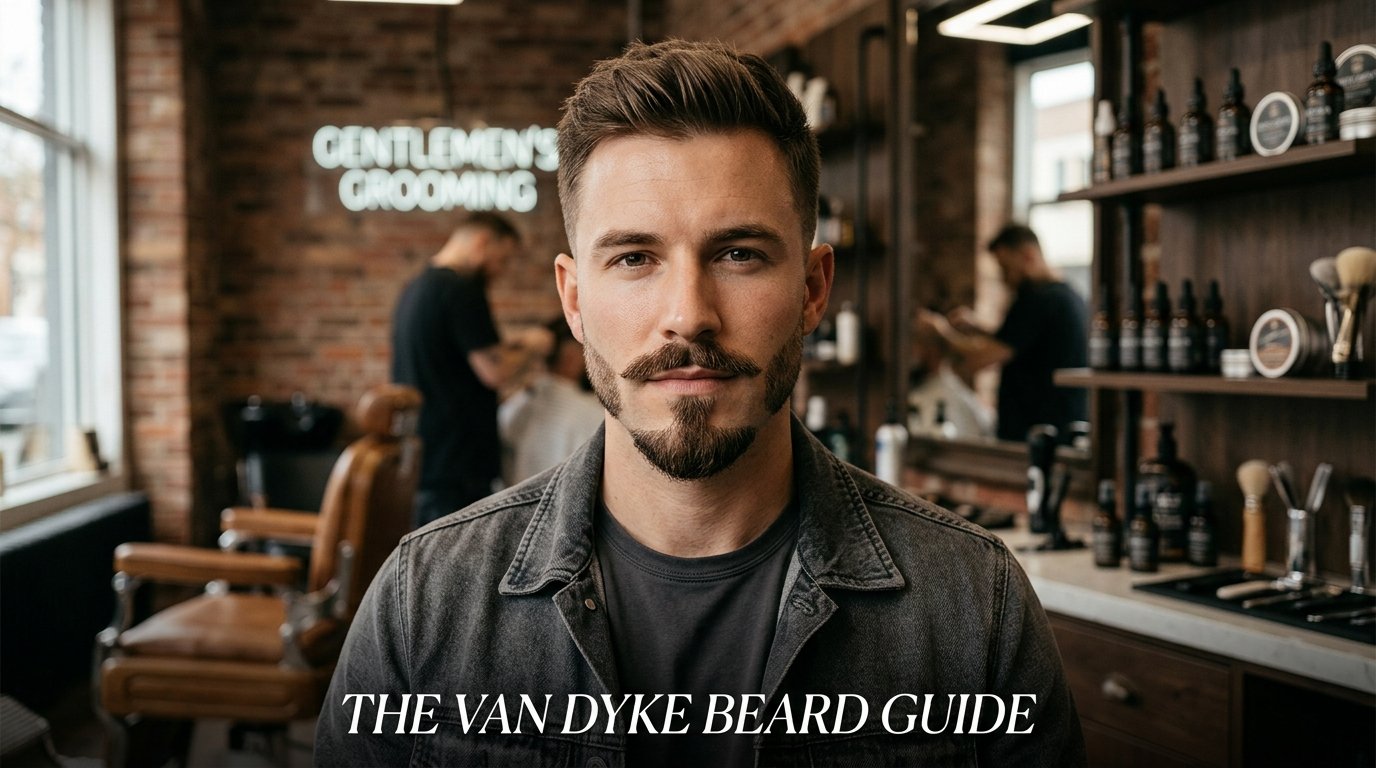
A poorly shaped goatee, disconnected mustache, or overgrown chin section can make even a strong beard look unfinished. The right van dyke beard style men approach changes the structure of the entire lower face by controlling width, chin length, and cheek exposure. Unlike a standard French beard, the Van Dyke relies on deliberate separation between the mustache and chin beard, which creates sharper contrast and more definition around the mouth.
Maintaining your look becomes easier when following Precision Beard Style for healthy growth.
This guide breaks down 16 technically distinct Van Dyke variations, from low-maintenance stubble hybrids to sculpted editorial shapes with handlebar detailing. You’ll see which beard lengths work best for different face shapes, how barbers control cheek lines and necklines, and which grooming tools maintain each look properly. Every style here is designed to feel screenshot-worthy before your next barber appointment.
Van Dyke Beard Style Men Ideas
1. Razor-Defined Micro Van Dyke With Skin-Faded Chin Line
This version keeps the chin beard at roughly 3mm using a Guard 1 trimmer, while the mustache stays slightly fuller at 5mm for subtle contrast. The cheek area is shaved completely clean with a straight razor, creating maximum separation between facial hair zones. A skin-faded neckline beginning just under the jaw gives the beard a sharp editorial finish without adding bulk.

Trim every 3–4 days to prevent the chin section from blurring into the jawline. A foil shaver helps maintain the exposed cheek area cleanly, while lightweight beard oil prevents dryness around the mouth. This style suits younger professionals, minimal dressers, and men with lighter beard density who still want structure.
Best for: Oval face shapes | Light-to-medium density | Minimal corporate grooming
2. Extended Van Dyke With Tapered Chin Point and Soft Mustache
The chin section extends to roughly 10mm with a subtle V-shaped taper toward the base, while the disconnected mustache stays softer and slightly rounded. The cheek lines remain natural rather than razor-carved, giving the beard a more relaxed European appearance. A low neckline sits two fingers above the Adam’s apple to preserve length without appearing heavy.

Use a Guard 3 weekly to maintain the taper and avoid chin bulk. Beard balm works better than oil here because it keeps the pointed shape controlled throughout the day. This variation fits oblong and diamond face shapes, especially for men in creative or semi-casual work environments.
Best for: Diamond faces | Medium density | Casual creative settings
3. Sharp Corporate Van Dyke With Boxed Mustache Separation
This beard keeps the chin at 6mm with sharply boxed edges at the corners of the mouth. The mustache sits disconnected by a razor-clean gap measuring roughly 4–5mm on each side. High cheek cleanup and a squared neckline give the style a controlled, office-ready structure without looking overly styled.

Touch up the outline every 2–3 days using a precision trimmer head. A transparent shave gel helps maintain the separation lines evenly. This style works especially well for men in finance, consulting, or formal office environments where facial hair still needs restraint.
Best for: Square faces | Dense growth patterns | Corporate settings
4. Handlebar Van Dyke With Sculpted Chin Drop
The mustache is the focal point here, styled outward with light curl definition while the chin beard drops to roughly 15mm beneath the lower lip. The beard itself remains narrow and disconnected, preventing the handlebar from overwhelming the face. Clean cheeks and a faded neckline keep the silhouette intentional instead of vintage-costume heavy.
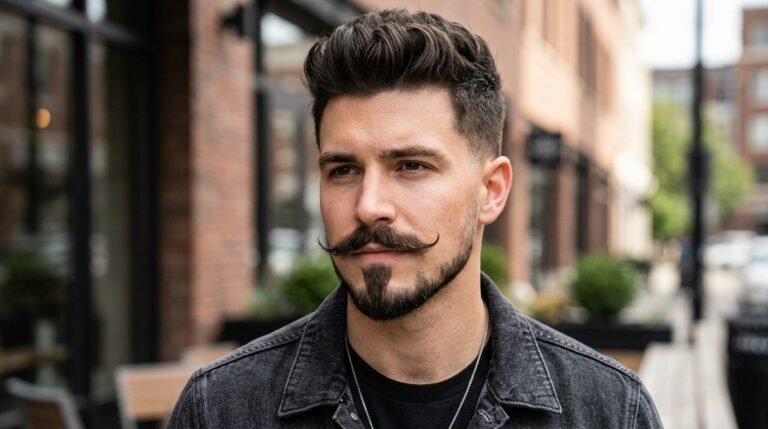
Mustache wax is mandatory for daily shaping, while the chin section needs weekly scissor detailing to maintain symmetry. This variation suits men with strong cheekbones and confident personal style, especially in fashion, music, or artistic fields.
Best for: Oblong faces | Thick mustache growth | Editorial streetwear looks
5. Low-Fade Van Dyke With Blended Sideburn Transition
Instead of fully isolated facial hair, this version softly blends the sideburns into skin before disconnecting near the cheeks. The chin beard remains around 8mm with a rounded base, while the mustache stays tight and controlled at 5mm. The fade begins at mid-sideburn level, creating a modern barbershop finish.
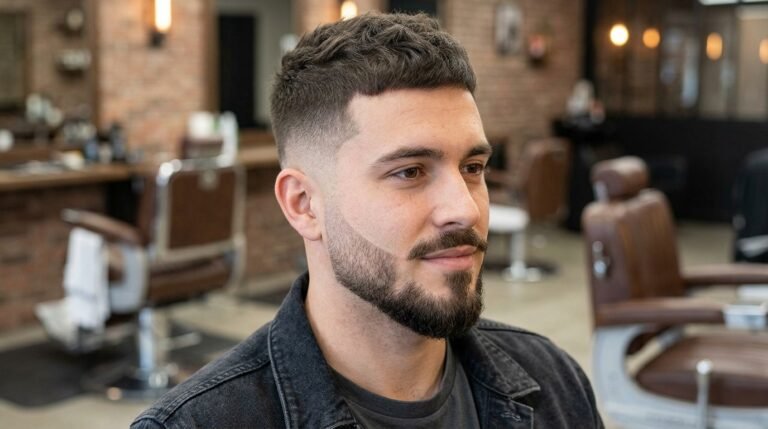
A detail trimmer and fade clipper guard combination help preserve the gradient every 5–6 days. Matte balm prevents the chin section from puffing outward. This beard works especially well alongside textured crops or low fades.
Best for: Round faces | Medium density | Modern street grooming
6. Narrow French-Inspired Van Dyke With High Arch Cheek Cleanup
This variation leans closer to a classic French beard by narrowing the chin section to the width of the mouth. The beard length stays around 5mm with crisp arch-shaped cheek cleanup that visually lifts the lower face. The neckline stays natural rather than boxed, keeping the overall look refined instead of aggressive.

Use a precision edging razor weekly to preserve the narrow silhouette. Beard oil is enough here because the shorter length doesn’t require hold. Men with slimmer jawlines benefit most because the tighter width prevents facial features from looking drawn downward.
Best for: Oval faces | Fine beard texture | Mature polished styling
7. Rugged Van Dyke With Heavy Chin Density and Natural Neckline
This beard pushes the chin section to roughly 20mm while leaving the neckline intentionally softer and less defined. The mustache remains disconnected but fuller through the corners, creating a heavier rugged aesthetic. Natural cheek growth stays partially visible to avoid looking over-sculpted.
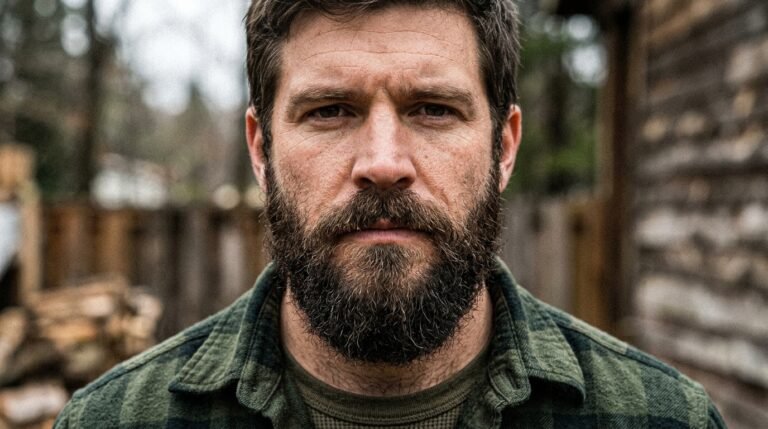
Trim every 10–14 days using scissors instead of aggressive clipper shaping. Beard oil should be applied daily to reduce dryness through the thicker chin density. This style fits outdoors-focused lifestyles and men who prefer raw texture over precision grooming.
Best for: Square faces | Thick coarse growth | Rugged outdoor appearance
8. Asian Van Dyke Beard With Controlled Sparse Detailing
This style works with naturally lighter growth patterns by keeping the mustache thin and the chin beard tightly condensed at 4–6mm. The disconnected spacing remains very clean, helping sparse areas appear deliberate rather than patchy. A softly rounded neckline avoids exposing uneven lower growth.

A micro trimmer helps sharpen the outline without over-thinning the beard. Lightweight oil prevents wiry texture around the chin. This look suits men who want structure without forcing density that their beard naturally doesn’t support.
Best for: Diamond faces | Patchy-to-light density | Minimal modern styling
9. Sculpted V-Shaped Van Dyke With Angular Chin Extension
The chin section tapers aggressively into a pointed V reaching roughly 18mm below the jawline. The mustache stays medium fullness with crisp disconnected corners. Razor-sharp cheek cleanup and a hard neckline make the shape appear architectural and highly defined.

Scissor detailing is essential every week to maintain symmetry in the pointed base. A stronger hold balm keeps the V shape compact during the day. This beard complements sharp jawlines and tailored wardrobes exceptionally well.
Best for: Round faces | Dense growth | Formal fashion-forward looks
10. Patchy Beard Van Dyke With Tight Anchor Detailing
Instead of fighting uneven growth, this version isolates density only around the chin and mustache areas. The chin beard stays at roughly 3–4mm with very tight edging beneath the lower lip, while the cheeks are shaved fully clean. A soft faded neckline prevents harsh contrast against thinner growth zones.

Maintain every 2–3 days since shorter patchy styles lose structure quickly once overgrown. A tinted beard pencil can lightly fill minor gaps for photos or events. This beard suits men in early beard growth stages or naturally uneven growers.
Best for: Oval faces | Patchy density | Young professional grooming
11. Ducktail-Inspired Van Dyke With Rounded Base
This variation blends the lower chin into a subtle ducktail shape around 25mm long while preserving the classic disconnected mustache. The cheek area remains natural with only loose cleanup near the upper beard edge. The rounded ducktail base softens sharper jawlines without removing masculinity.
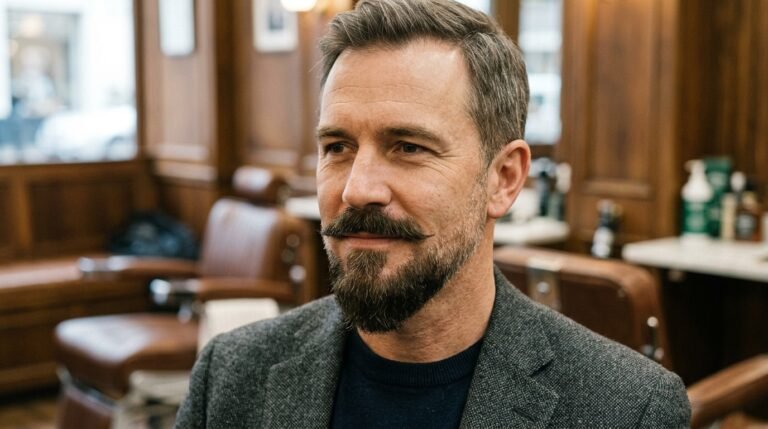
Use beard balm daily and comb downward after showering to train the shape correctly. Monthly barber detailing keeps the ducktail from widening excessively. This style suits mature men wanting more fullness without committing to a full beard.
Best for: Oblong faces | Full density | Distinguished mature style
12. Italian-Inspired Verdi Van Dyke With Curled Mustache
The mustache carries moderate outward curl while the chin beard remains fuller at roughly 15mm with rounded edges. Unlike aggressive pointed styles, the Verdi-inspired shape focuses on balance and softness. Defined cheeks contrast against a natural lower neckline for a refined European appearance.

Mustache wax and beard butter both play important roles here. Trim every 7–8 days to maintain proportion between the mustache and beard body. This style pairs exceptionally well with tailored coats, loafers, and mature menswear aesthetics.
Best for: Diamond faces | Thick growth | Elegant smart-casual styling
13. Streetwear Van Dyke With Mid-Chin Fade Transition
This version combines a disconnected Van Dyke with a faint chin fade beginning beneath the lip. The beard length graduates from 3mm near the lip to roughly 10mm at the base. Crisp low cheek lines and a hard neckline make the shape feel modern and urban.
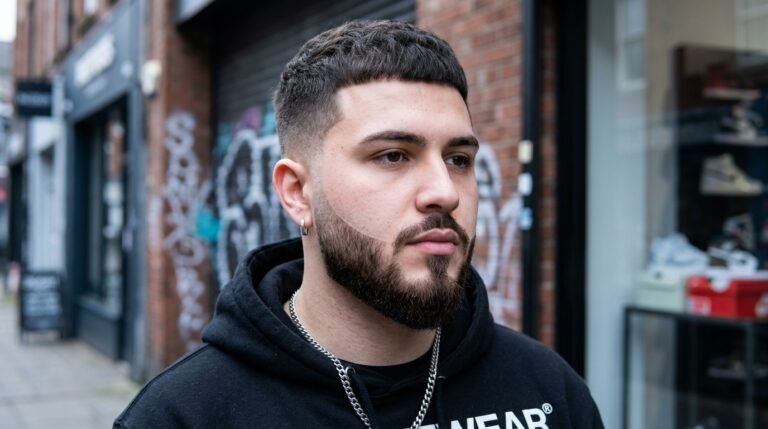
A fade brush and detail clipper help preserve the transition weekly. Matte balm works best because glossy products can make faded detailing disappear visually. This beard pairs naturally with textured crops, lineups, and sneaker-focused fashion.
Best for: Round faces | Medium-to-dense growth | Streetwear grooming
14. Mature Silver Van Dyke With Soft Rounded Edges
This beard keeps silver or salt-and-pepper facial hair controlled at roughly 8–12mm with rounded corners instead of sharp angles. The mustache stays slightly fuller than the chin beard, helping frame the mouth without hard contrast. Natural cheek lines keep the beard distinguished rather than severe.

Use beard butter to soften coarse gray texture and reduce frizz. Trimming every 10 days maintains neatness without removing natural maturity. This style works particularly well for men over 45 wanting structure without trendy over-styling.
Best for: Square faces | Coarse gray growth | Mature professional lifestyle
15. Editorial Van Dyke With Hollow Cheek Exposure
The cheeks are shaved extremely high, exposing more facial structure and making the disconnected mustache-chin combination stand out dramatically. The chin section sits around 12mm with geometric edges and a defined lower point. A skin-tight neckline enhances the sculpted effect.
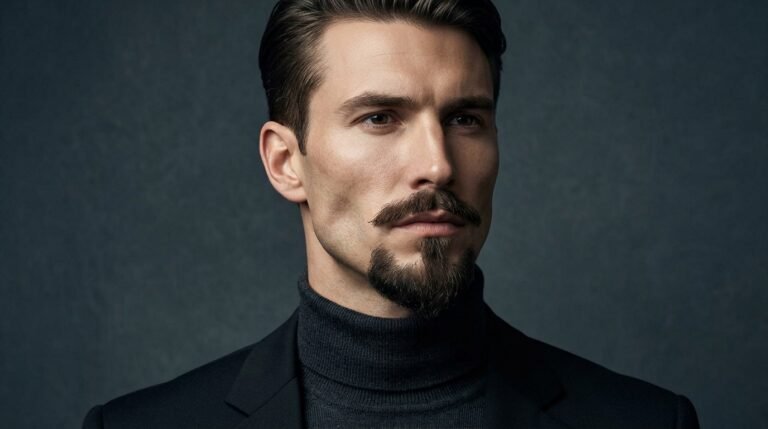
This beard requires maintenance every 48 hours because exposed cheek areas lose sharpness quickly. Straight razor detailing produces the cleanest contrast lines. The overall look feels intentionally fashion-oriented rather than traditionally rugged.
Best for: Oblong faces | Strong bone structure | Editorial styling
16. Thick Johnny Depp-Inspired Van Dyke With Relaxed Texture
Inspired by the classic Johnny Depp beard silhouette, this style combines a loose disconnected mustache with a textured chin beard around 15–18mm long. The edges remain intentionally imperfect, while the neckline stays softer and less boxed than modern barbershop styles. Slight asymmetry gives it a worn-in character.

Trim lightly every 10–12 days instead of over-defining the shape. Beard oil helps separate texture naturally without stiffness. This variation suits creative personalities and men who prefer relaxed grooming over ultra-clean precision.
Best for: Oval faces | Medium-to-thick density | Casual artistic lifestyle
How to Choose the Right Beard Style for Your Face Shape
Oval faces are the most flexible for Van Dyke variations because the balanced proportions can handle both narrow pointed styles and fuller rounded chin shapes. A sculpted V-shaped Van Dyke works especially well because it sharpens the jawline without stretching the face excessively.
Round faces benefit most from beard styles that create vertical length. Extended goatees, pointed Van Dyke shapes, and angular necklines visually slim the lower face. Wider cheek growth should stay minimal to avoid adding unnecessary facial width.
Square face shapes already carry strong jaw structure, so softer beard edges create better balance. Rounded Van Dyke bases, natural cheek lines, and medium-density chin growth prevent the face from looking too boxy or heavy.
Oblong or longer face shapes need controlled length rather than exaggerated pointed beards. Fuller sides with shorter chin extensions help add visual width while preventing the face from appearing overly narrow.
Diamond face shapes typically feature wider cheekbones with a narrower forehead and chin. Medium-width Van Dyke styles with fuller mustaches balance those proportions effectively while keeping attention centered around the mouth and jawline.
Essential Beard Grooming Tips for a Sharp Look
The neckline determines whether a beard looks intentional or neglected. The cleanest placement usually sits about two fingers above the Adam’s apple, following the natural curve beneath the jaw rather than cutting straight across the neck.
Short stubble styles often need maintenance every 2–3 days, while medium beard lengths can usually stretch to weekly trims. Longer Van Dyke styles benefit more from scissor shaping than aggressive clipper reduction because precision matters more than bulk removal.
A sharp beard enhances your overall style when paired with Casual Blazer Outfit Ideas that suit your personality.
Beard oil hydrates the skin and works best on shorter or medium-length styles that don’t require hold. Beard balm adds control and shape, especially for pointed chin sections, ducktail variations, or handlebar mustaches.
Cheek line shaping changes the entire mood of a beard. Straight razors create sharper editorial edges, while trimmers produce softer natural transitions. High cheek lines look cleaner and more fashion-focused, while natural growth feels rugged and relaxed.
Wash facial hair 2–3 times weekly using beard shampoo instead of standard hair products. Overwashing strips oil from the beard and makes shorter disconnected styles appear dry or wiry around the mouth.
Beard Styles for Professional vs Casual Settings
Stubble reads differently depending on execution. In office environments, a 3–5mm controlled stubble with clean cheek lines feels intentional and polished. On weekends, slightly softer edging creates a more relaxed appearance without losing structure.
Short boxed Van Dyke styles work exceptionally well in corporate settings when kept around 6–8mm. Once the chin extends too far or the mustache becomes overly styled, the beard shifts from professional to fashion-oriented.
Medium natural beard styles sit near the professional limit in conservative industries. Keeping the neckline sharp and reducing cheek bulk helps maintain workplace acceptability while preserving texture.
Long full beards generally fit better in creative industries, independent business settings, or outdoor professions. In highly formal corporate spaces, excessive length can overpower tailored clothing and structured grooming expectations.
Faded beard styles currently occupy the most versatile middle ground. The blend between facial hair and skin keeps the beard modern enough for streetwear aesthetics while still clean enough for business-casual offices.
Conclusion
The best Van Dyke variations range from sharp 3mm minimalist outlines to fuller ducktail-inspired chin shapes with styled mustaches. Some work best in corporate offices, others lean rugged or editorial, but the strongest beard always matches the structure of your face and the rhythm of your daily lifestyle rather than chasing trends blindly.
A clean neckline, balanced chin length, and properly maintained mustache separation matter more than complexity. Start with the variation closest to your current beard density, bring reference photos to your barber, and focus on consistency first. A simple Van Dyke maintained well will always look stronger than an elaborate beard shape left unchecked.