15 Textured Low Fade Haircut for Men That Looks Sharp in Any Setting
Most men stick with the same safe haircut for years, only to realize it makes their face look flatter, heavier, or outdated. A well-executed textured low fade haircut for men fixes that instantly. It adds structure without going aggressive, keeps the sides clean without exposing too much scalp, and gives the top enough movement to feel modern rather than rigid.
If you’re looking for more haircut inspiration, check out our guide to Low Taper Fade Haircut Styles everyone is trying this year.
This guide breaks down 15 distinct styles built around texture and low fades, along with face shape strategy and styling techniques that actually work in real life. The goal is simple: walk into your barber with clarity and leave with a cut that fits your hair type, lifestyle, and personal aesthetic.
Textured Low Fade Haircut for Men — Modern Variations That Actually Work
1. Textured Crop With Low Fade and Soft Fringe
The top sits around 2–3 inches with choppy layers pushed slightly forward, creating a soft fringe that breaks the hairline naturally. The low fade starts just above the ear, blending tight into the neckline without climbing too high. The finish feels relaxed but structured, with a clean silhouette. Overall aesthetic: minimal.
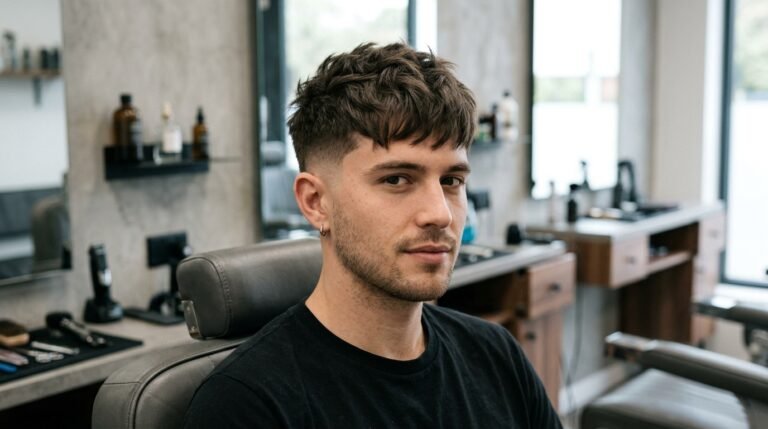
Best for straight or slightly wavy hair. Works well on oval and square faces. Ask your barber for a low fade starting at a 0.5 guard, with a heavily textured top using point cutting. Style with matte clay, pushing the fringe forward using your fingers for a natural finish.
2. Side-Swept Texture With Low Taper Fade
Medium-length top (3–4 inches) flows diagonally across the forehead with soft layering for movement. The low taper fade subtly cleans the edges around the ears and neckline without removing too much bulk. It looks controlled but not stiff. Overall aesthetic: corporate.
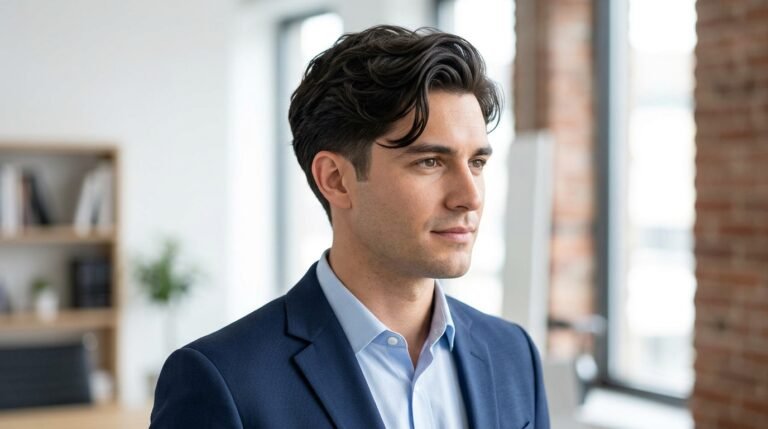
Ideal for wavy or fine hair. Suits oval and oblong faces. Tell your barber to keep length on top and add a low taper instead of a full fade. Use a light pomade and comb through while damp, then finish with fingers to keep it flexible.
3. Messy Textured Top With Low Drop Fade
The top is left longer with uneven texture, styled loosely in all directions. The low drop fade curves behind the ear, adding depth and contrast without going harsh. The result feels effortless yet intentional. Overall aesthetic: casual.
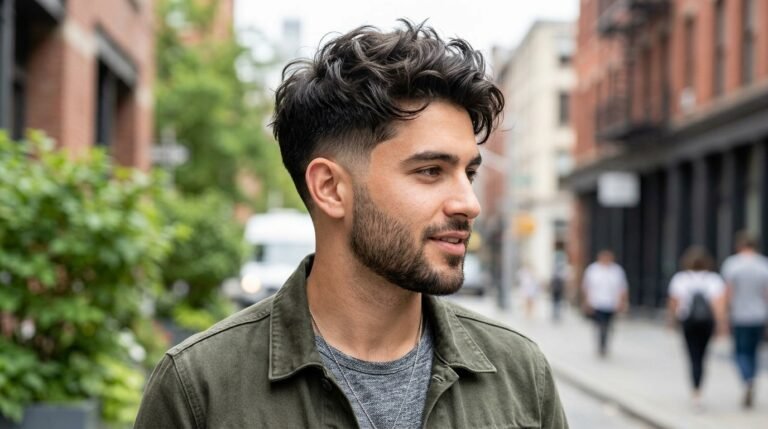
Best for thick or wavy hair. Works for round and oval faces. Ask for a low drop fade and layered texture on top. Use sea salt spray on damp hair, then air-dry or lightly blow-dry for a lived-in finish.
4. Long Textured Quiff With Low Fade
The top is longer (4–5 inches) and styled upward with loose texture, avoiding a stiff pompadour look. The low fade keeps the sides tight while letting the top stand out. The contrast is clean but not dramatic. Overall aesthetic: editorial.
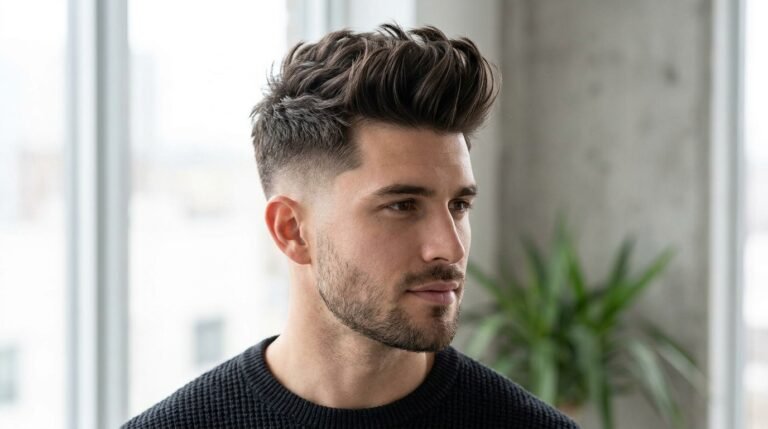
Great for thick or straight hair. Suits square and diamond faces. Ask for a low fade with a longer top and internal layering. Blow-dry upward using a vent brush and finish with matte paste for flexible hold.
5. Classic Textured Comb Over With Low Fade
A structured side part with subtle texture keeps the top refined without looking flat. The low fade supports the shape without overpowering it. It reads polished and timeless. Overall aesthetic: classic.
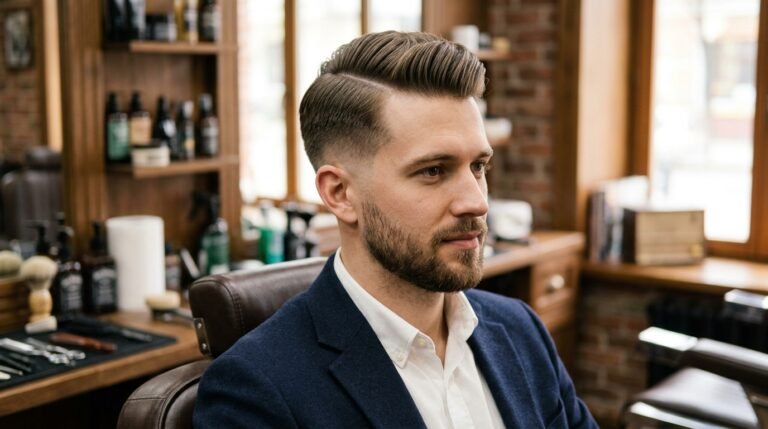
Best for straight or fine hair. Ideal for oval and square faces. Ask for a defined part with a low fade and light texture. Use pomade for a slight shine and comb into place for a clean finish.
6. Rugged Textured Crop With Low Skin Fade
Short, heavily textured top with a raw, broken finish. The low skin fade transitions from bare skin into the textured top, creating sharp contrast. It feels bold but controlled. Overall aesthetic: rugged.
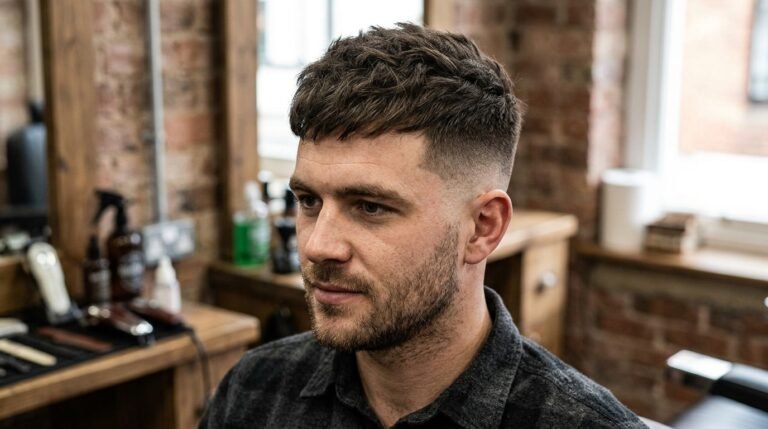
Best for thick or coarse hair. Works on round and square faces. Ask for a low skin fade with a textured crop on top. Use matte clay and work it in aggressively for separation.
7. Minimal Textured Buzz With Low Fade
Short top with slight texture left in, avoiding a flat buzz. The low fade cleans the sides while keeping the look subtle and understated. It’s sharp without drawing attention. Overall aesthetic: minimal.
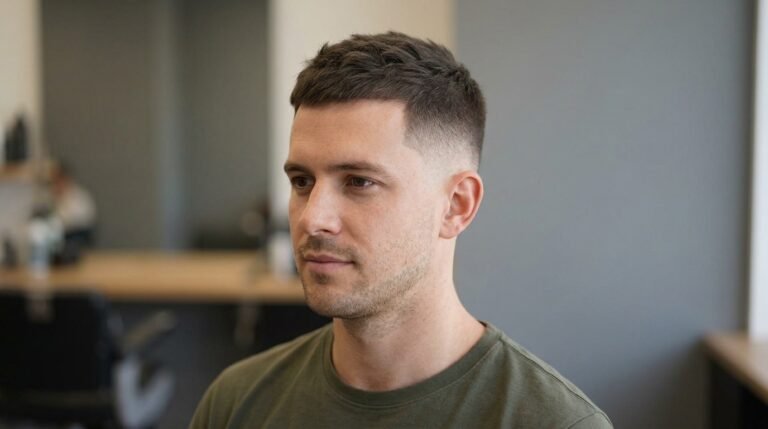
Best for straight or fine hair. Suits oval and diamond faces. Ask for a textured buzz (guard 3–4 on top) with a low fade. Use a light styling cream if needed, but most days require no effort.
8. Textured Faux Hawk With Low Burst Fade
The top is shaped into a subtle ridge, with texture adding movement rather than spikes. The low burst fade curves around the ear, isolating the central volume. It feels modern and slightly rebellious. Overall aesthetic: street.
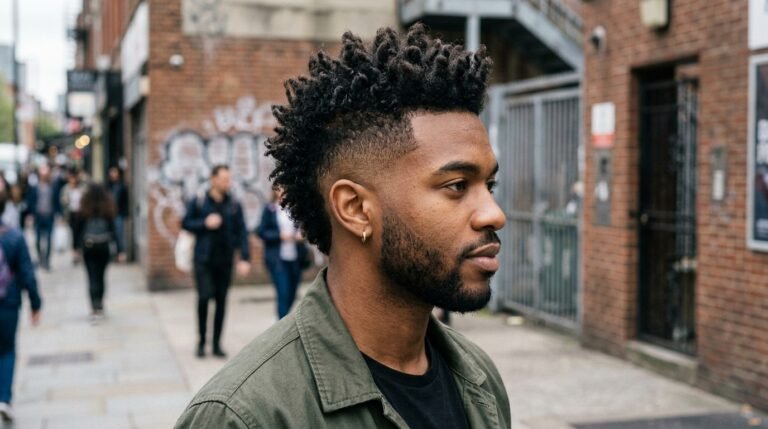
Best for curly or thick hair. Works for oval and round faces. Ask for a burst fade with a textured faux hawk. Use curl cream or matte paste depending on hair type, shaping upward through the center.
9. Medium Textured Waves With Low Fade
Natural waves are enhanced with layered cutting, allowing the top to fall loosely with controlled volume. The low fade keeps the edges neat without disrupting the wave pattern. Overall aesthetic: casual.
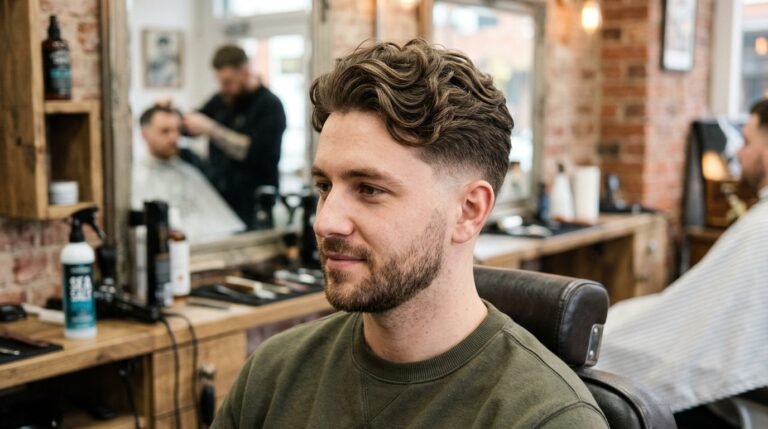
Best for wavy hair. Suits oval and oblong faces. Ask your barber to preserve wave length while adding a low fade. Use sea salt spray and scrunch while drying.
10. Long Layered Texture With Low Taper
Longer top (5–6 inches) with soft layers creates flow and movement. The low taper keeps the neckline clean without cutting into the natural fall. It feels relaxed but refined. Overall aesthetic: editorial.
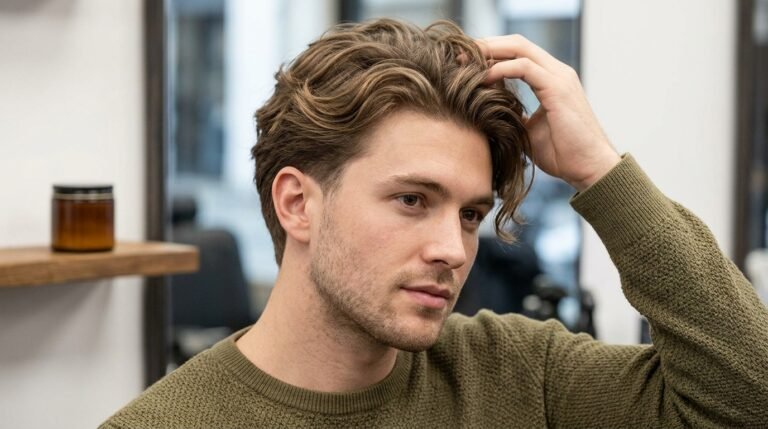
Ideal for straight or wavy hair. Works for diamond and oval faces. Ask for long layers with a low taper. Use lightweight cream and finger-style for a natural finish.
11. Textured Ivy League With Low Fade
Short, structured top with subtle texture adds dimension to a classic Ivy League shape. The low fade sharpens the sides while maintaining a professional edge. Overall aesthetic: corporate.

Best for straight or fine hair. Suits square and oval faces. Ask for a short textured top with a low fade and slight part. Style with a small amount of pomade.
12. Curly Textured Top With Low Fade
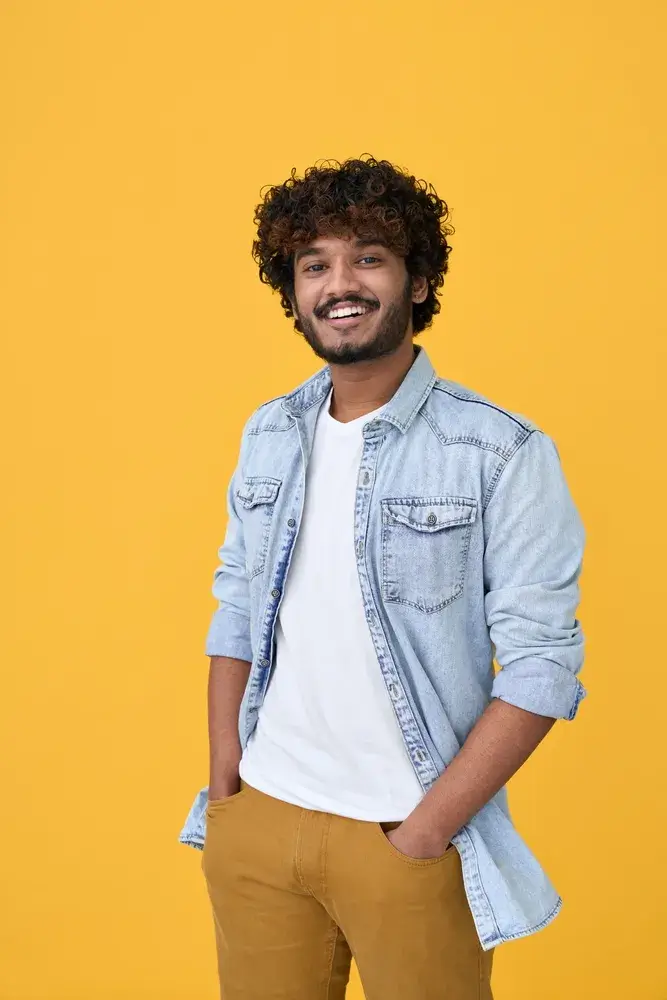
Natural curls are left longer on top, with defined shape and controlled volume. The low fade blends cleanly without interrupting the curl pattern. The finish feels natural but sharp. Overall aesthetic: rugged.
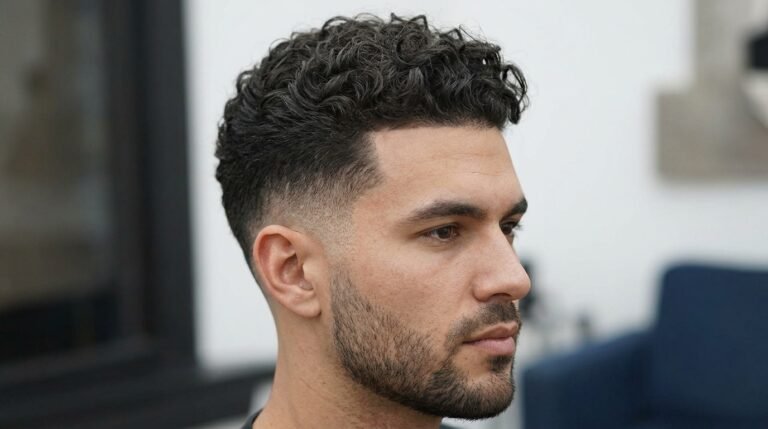
Best for curly hair. Works for round and diamond faces. Ask for a low fade with curl preservation. Use curl cream and diffuse or air dry.
13. Straight Textured Fringe With Low Fade
The fringe falls forward with light texture, softening the forehead while adding shape. The low fade keeps the sides tight without drawing attention away from the front. Overall aesthetic: minimal.
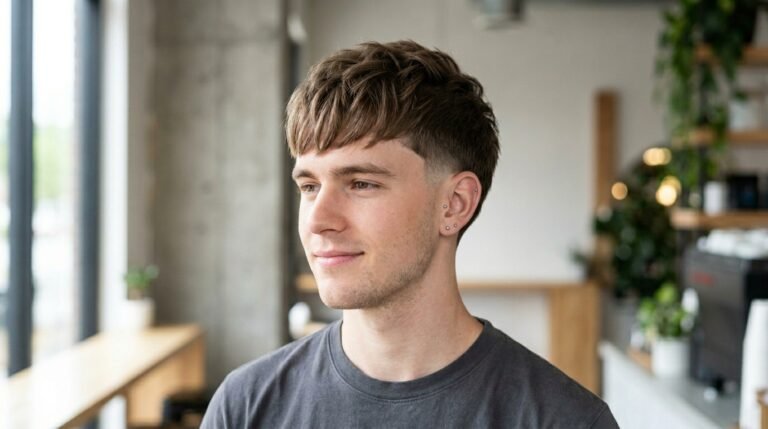
Best for straight hair. Suits oblong and oval faces. Ask for a textured fringe with a low fade. Use matte paste and push the hair forward with fingers.
14. Textured Slick Back With Low Fade
The top is pushed back with natural texture, avoiding a glossy, flat look. The low fade anchors the style, keeping it modern rather than traditional. Overall aesthetic: classic.
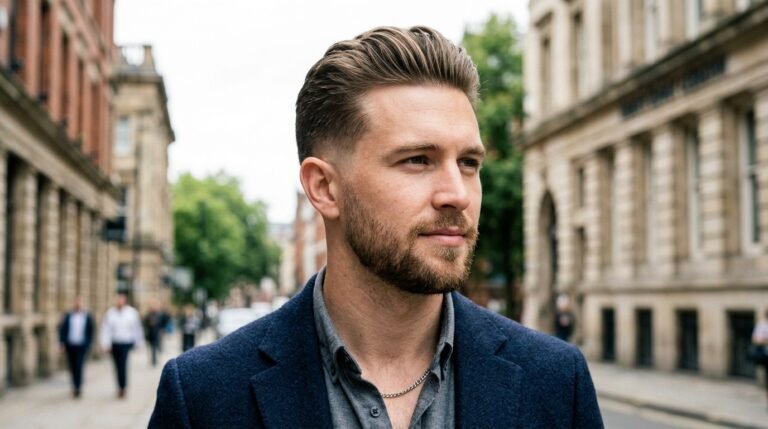
Best for thick or straight hair. Works for square and oval faces. Ask for length on top with a low fade. Blow-dry backward and use light pomade.
15. Medium Textured Side Part With Low Fade
A defined part with soft texture keeps the style structured but flexible. The low fade enhances the shape without overpowering it. It’s clean, wearable, and adaptable. Overall aesthetic: casual.
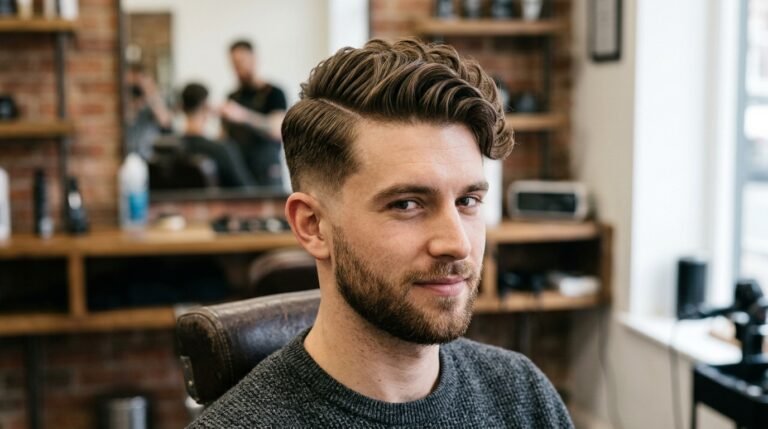
Best for wavy or fine hair. Suits oval and round faces. Ask for a side part with a low fade and textured top. Use styling cream and comb lightly.
How to Choose the Right Hairstyle for Your Face Shape
Oval faces handle most styles well, especially textured crops and side parts with a low fade. The natural balance allows you to experiment with both short and medium lengths without distorting proportions.
Round faces benefit from added height. A textured quiff or faux hawk with a low fade creates vertical structure. Keep the sides tight and avoid heavy fringes that widen the face.
Square faces already have strong angles, so texture softens the look. A layered top with a low fade reduces harshness while keeping the masculine structure intact.
Oblong faces should avoid too much height. A textured fringe or medium layered cut with a low fade adds width and balances facial length.
Diamond faces need balance between forehead and jaw. Styles like a textured side part or medium-length layered top with a low fade help distribute volume evenly.
Essential Styling Tips Every Man Should Know
Choosing the right product matters. Use clay for texture and a matte finish, pomade for shine and control, and sea salt spray to enhance natural wave without stiffness.
Blow-drying changes everything. Start with a rough dry to remove moisture, then direct airflow where you want volume or control. Use your fingers for texture, not just a brush.
To maintain a fade, clean up the neckline and around the ears every 1–2 weeks. Even a great cut looks messy if the edges grow out.
Many hairstyles look even better when paired with the right facial hair, so check out our guide to Men’s Medium Beard Style for modern men.
A fast morning routine works best. Apply product to slightly damp hair, shape with fingers, and let it settle naturally. Avoid overworking it.
Visit your barber every 3–5 weeks depending on the cut. Short textured styles need more frequent maintenance, while longer layered styles last longer.
Best Hairstyles by Hair Type
Thick hair benefits from a textured crop with a low fade, which removes bulk while keeping movement. Internal layering prevents the top from looking heavy.
Fine hair works well with a textured Ivy League or side part. These cuts create the illusion of density without exposing too much scalp.
Curly hair pairs best with a curly textured top and low fade. It keeps the natural pattern intact while controlling the sides.
Wavy hair looks strongest with a medium textured style and low fade. It enhances natural movement without letting it become frizzy.
Straight hair needs added texture. A textured fringe or crop with a low fade introduces movement and prevents a flat appearance.
Conclusion
A textured low fade haircut for men isn’t just one style. It spans short crops, medium layers, and longer textured looks, each shaped by fade type, hair texture, and personal style. The key is matching the cut to your face shape, hair type, and how you actually live day to day.
Take this guide with you, show your barber exactly what you want, and be specific about length, texture, and fade level. A well-executed cut doesn’t just improve your appearance, it changes how everything else sits, from your beard to your overall presence.