14 Simple Patchy Beard Styles That Make Thin Growth Look Intentional, Modern, and Masculine
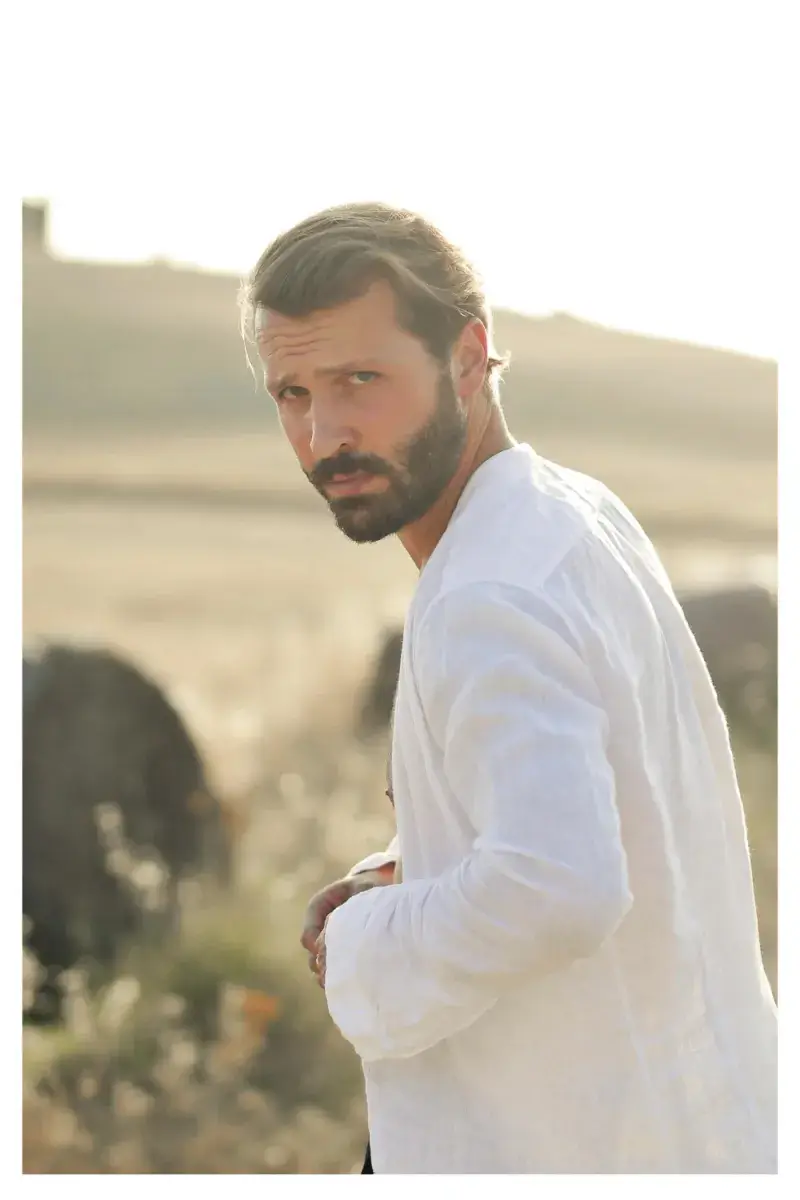
Patchy Beard Styles have become one of the most relatable grooming topics for modern men because not every guy can grow a thick, Viking-level beard, and honestly, that’s not the goal anymore. Today, the trend is all about intentional grooming, texture, subtle definition, and the kind of effortless masculinity that looks sharp without trying too hard. If you’ve ever looked in the mirror and thought your beard “doesn’t grow in evenly,” you’re not alone and the good news is: patchiness is now a style in itself.
In this feature, we dive into exactly how to transform uneven facial hair into a powerful aesthetic. You’ll learn why patchy beards work so well with contemporary fashion, how to shape them so they look sharp instead of sparse, and which face shapes carry them best. Most importantly, you’ll get a curated list of 14 Simple Patchy Beard Styles that take the guesswork out of grooming and help you build a look that feels confident, clean, and completely intentional.
This guide blends professional trimming insight, practical upkeep routines, and style inspiration so by the time you finish reading, you won’t just understand how to manage a patchy beard… you’ll know how to make it your signature.
How to Grow and Maintain the Patchy Beard Styles
Growing a patchy beard isn’t about forcing density it’s about shaping what you naturally have into something clean, structured, and modern. The secret is learning how to control length, texture, and the outline so the gaps look intentional rather than accidental. With a good grooming routine and the right tools, even the lightest growth can transform into a stylish, masculine look that feels polished without being high-maintenance.
A patchy beard requires consistency more than it requires volume. You don’t need heavy coverage, but you do need symmetry, sharp lines, and strategic fading. That’s where smart maintenance comes in. Choosing the correct trimmer guard, defining your neckline, and keeping the cheek area tidy create contrast that instantly elevates patchy growth. And because this beard style is lighter by nature, it becomes incredibly versatile suiting office environments, fashion-forward outfits, and casual weekend looks effortlessly.
Below is the step-by-step breakdown of how to grow, shape, and maintain patchy beard styles like a pro.
Step 1 — Growing It Out
The biggest mistake most men make with patchy growth is trimming too early. Let your beard grow for at least 2–3 weeks without shaping it. This gives you a full view of your natural pattern where the hair is stronger, where it’s thinner, and which areas can be emphasized. During this growth phase, don’t worry about evenness; your job is simply to let your facial hair reach a workable length.
Use a beard-friendly cleanser instead of regular face wash to keep skin hydrated. Ingredients like jojoba oil, argan oil, and aloe vera help soften new growth and prevent itchiness, which is common in the early stage. Apply a light beard oil every morning to keep the hair supple and lay down unruly strands. Once the patchy areas start blending into the thicker sections, you’ll have the foundation to sculpt a clean, deliberate look.
Step 2 — Defining the Shape
Once the growth has reached a workable length, shaping is where the magic happens. The goal is to create clean, intentional lines that make your beard look balanced even if your growth isn’t. Start by defining your neckline ideally just above the Adam’s apple, following a natural curve toward the ears. A sharp neckline instantly makes any beard look more masculine and structured.
Next, refine your cheek line. With patchy beards, avoid overly sharp high cheek lines they highlight gaps. Instead, keep a slightly lower, softer cheek line that blends naturally with your growth. Use a trimmer with guards ranging from 2mm to 5mm depending on how light or dark you want the beard to appear. Taper the sides slightly shorter while letting the chin retain the most length; this adds depth and makes the beard look fuller. If your patches concentrate on the cheeks, fade the area gradually to create a clean gradient.
Product recommendations for this step:
- Philips Norelco Multigroom Series — precise guards, perfect for fading
- Wahl Stainless Steel Trimmer — sharp blades for defined lines
- Honest Amish Beard Balm — softens and adds texture for shaping
Step 3 — Maintaining and Styling
Maintenance is where a patchy beard truly becomes your signature look. Trim every 5–7 days to keep the length intentional, avoiding overgrowth that can make the beard look untidy. Use a beard brush or wooden comb daily to train the hair direction this helps blend patchy areas by encouraging strands to lie uniformly.
For styling, apply a lightweight beard balm or grooming cream to add just enough texture without weighing the beard down. Avoid heavy waxes; they make patchy beards look stiff. If your mustache grows faster than your beard, keep it slightly shorter for balance. Conversely, if your chin area is fuller, maintain a bit more length there to create strength and structure.
Weekly exfoliation and beard oil application help keep the skin healthy and prevent ingrown hairs important for men with lighter growth. With consistent care, your patchy beard will look polished, intentional, and stylish year-round.
Best Face Shapes for the Patchy Beard Styles
Patchy beard styles have a surprising advantage: they don’t overpower your natural features. Instead, they complement your bone structure by adding light texture and definition exactly where you need it. Because the coverage is softer and more controlled than a full beard, patchy styles adapt well to almost every face shape with a few smart tweaks to enhance symmetry and proportion.
Below is a breakdown of how patchy beard styles work with each major face shape, and how you can tailor the look to bring out your strongest features.
Round Face Shape
Round faces benefit the most from patchy beard styles. The lightness of the growth naturally lengthens the face and creates definition along the jawline. By keeping the sides trimmed short and allowing slightly more length at the chin, you create a vertical line that sharpens soft features. Patchiness also prevents the “puffy” look men with round faces get from full, heavy beards.
Best variation:
Short boxed beard, chin-focused stubble, minimalist mustache with chin shadow.
Oval Face Shape
Oval faces are the most versatile, and patchy beards blend seamlessly with this balanced shape. Because the proportions are naturally harmonious, even sparse cheek growth looks intentional and stylish. You can experiment with almost any patchy variation—from scruffy stubble to beardstache combos without throwing off symmetry.
Best variation:
Light stubble, heavy stubble, anchor beard, Van Dyke.
Square Face Shape
Men with square faces have strong jawlines and angular features, and patchy beards soften the edges while maintaining structure. Keeping a moderate length around the chin helps elongate the face, while the patchiness reduces visual heaviness that a full beard might add. Taper the sides for balance, and keep cheek lines slightly lower for a modern, sculpted effect.
Best variation:
Balbo beard, short fade-in beard, thin beard.
Heart Face Shape
A heart-shaped face—wider forehead, narrower chin—pairs beautifully with patchy growth because it brings focus to the lower half of the face. Light stubble fills out the jawline without overwhelming the chin, while selective length around the goatee area adds balance. The key is to avoid overly dense mustache styles that widen the upper face.
Best variation:
Chin strap, goatee, patchy cheeks + strong jawline.
Diamond Face Shape
Diamond-shaped faces have prominent cheekbones and a narrower forehead and chin. Patchy beard styles help frame the lower face while softening the mid-face width. Keep cheek growth light and the chin moderately defined to maintain balance. A light beard paired with a sharp trim creates a clean, modern look.
Best variation:
Beardstache, scruffy beard, short shadow beard.
Patchy beard styles excel because they adapt—not the other way around. With a little strategic shaping, you can lean into your natural face geometry and make the patches work for you, not against you. Whether your features are soft, angular, narrow, or wide, the right variation brings out all the right angles.
Beard Variations and Modern Twists
Patchy Beard Styles aren’t just one look — they’re an entire category of lightweight, modern, masculine grooming that adapts to almost every face shape and lifestyle. Below are 14 refined patchy beard variations, each broken down into how they work, who they suit, and how to maintain them. Every style is crafted to help you turn uneven growth into a deliberate fashion statement.
1. Light Stubble
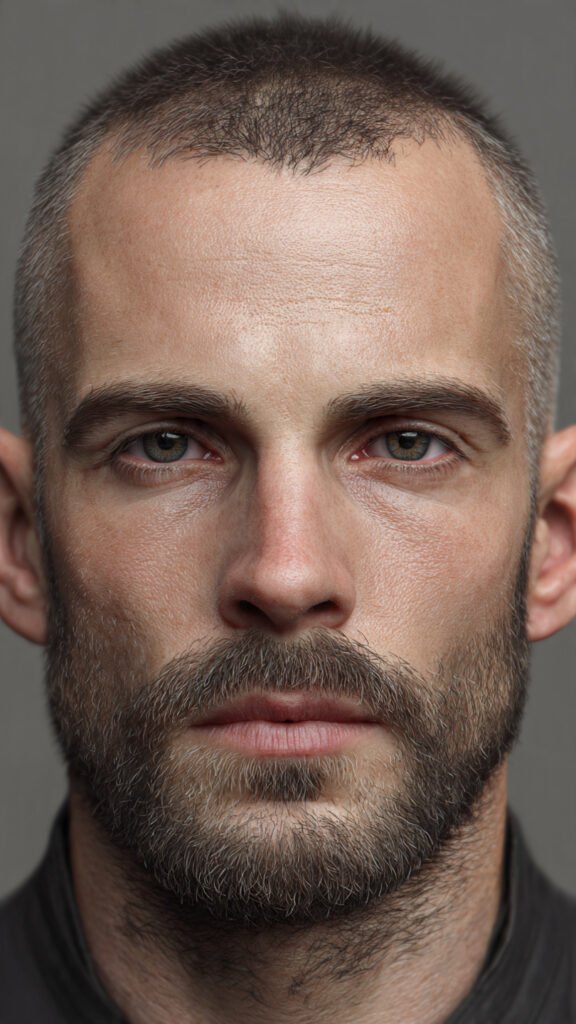
Light stubble is the simplest and most universally flattering variation for men with patchy growth. Because the hair is kept at a short, uniform length (usually 1–2mm), the patches blend seamlessly with the stronger areas, creating an even, shadow-like effect. It’s clean, sharp, and ideal for men who want an effortlessly masculine aesthetic without looking overly groomed.
Maintenance is easy: trim every 2–3 days with a short guard, define the neckline just slightly, and keep the cheeks tidy. This style suits nearly every face shape and pairs well with modern outfits, clean hairstyles, and minimal grooming routines.
2. Heavy Stubble
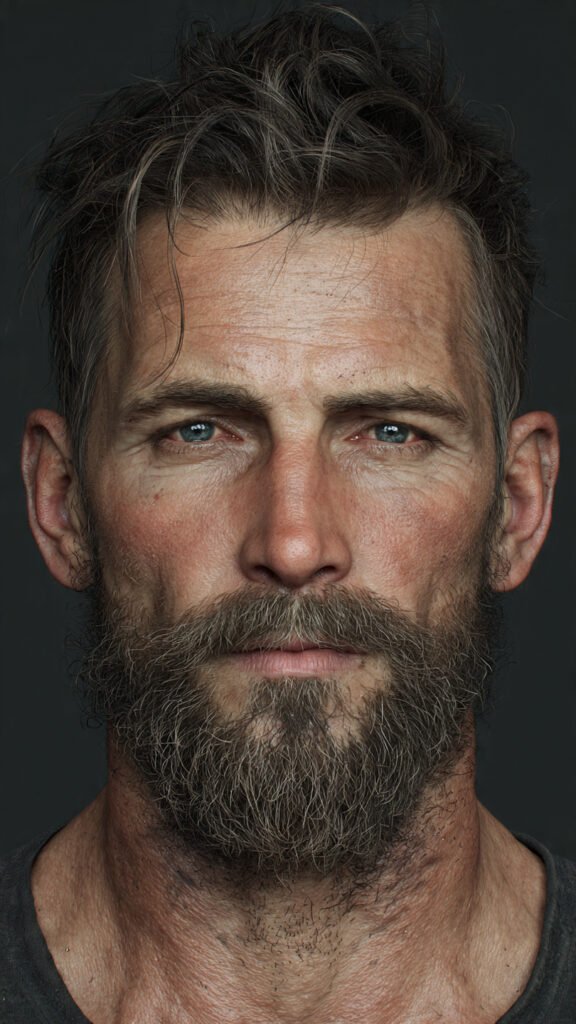
Heavy stubble offers more definition than the light version while still embracing the patchy look. At around 3–5mm, the beard adds texture and a rugged edge to your face without requiring dense growth. The slight unevenness works in your favor, giving the beard a naturally lived-in masculine feel.
For upkeep, fade the cheeks lightly and keep the mustache trimmed to avoid overgrowth. Heavy stubble is perfect for men who want a bit more boldness in their look but still prefer low-maintenance grooming.
3. Chin Strap
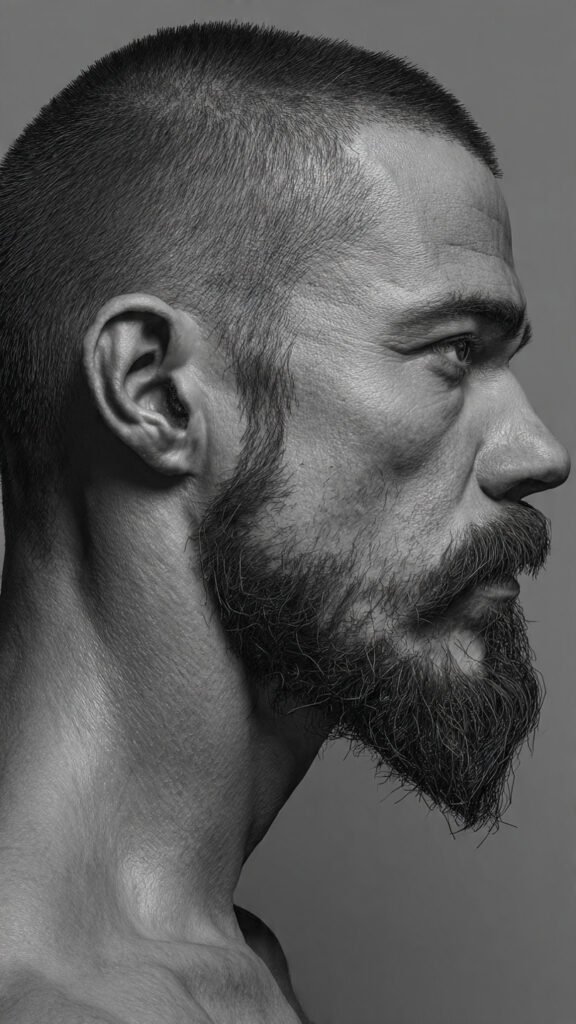
The chin strap is one of the strongest patchy beard styles because it focuses attention on the jawline where most men have their best growth. The thin line of hair running from ear to chin creates a sculpted, defined frame that instantly sharpens your features. Even if your cheeks are patchy, the chin strap gives you a powerful, structured look.
Trim the strap to a consistent width (4–7mm), outline it cleanly, and keep your cheeks fully shaved for contrast. This style is ideal for round or heart-shaped faces needing extra definition.
4. Goatee
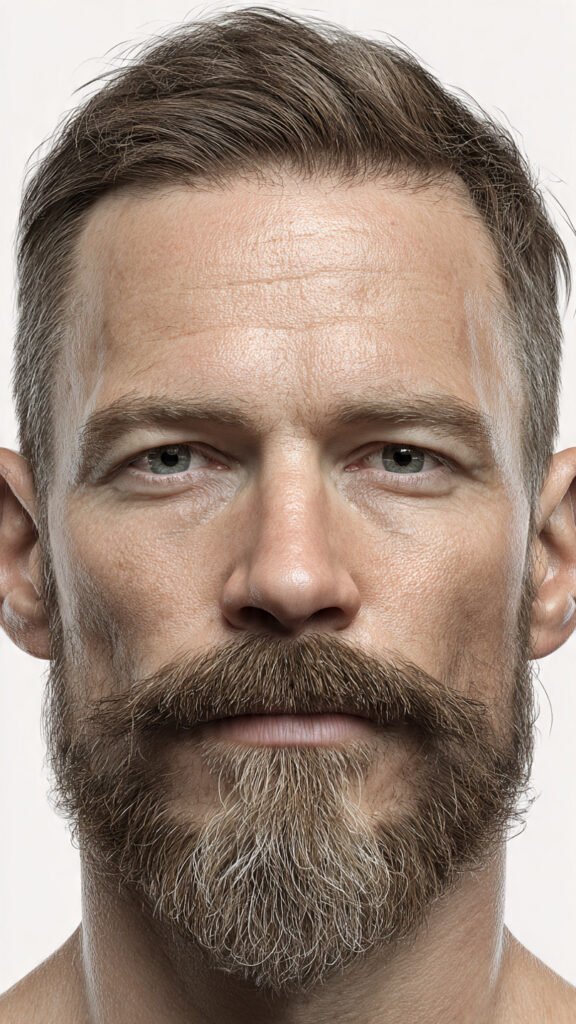
A goatee is a classic solution for men with patchy cheeks. By concentrating the beard around the chin and mouth area, you highlight the strongest part of your growth while leaving the cheeks intentionally clean. It creates a refined, confident look that works well in both professional and casual settings.
Trim the goatee edges with precision and keep the chin slightly longer for structure. Pairing it with a lightly trimmed mustache adds balance while keeping the face open and clean.
5. Short Boxed Beard
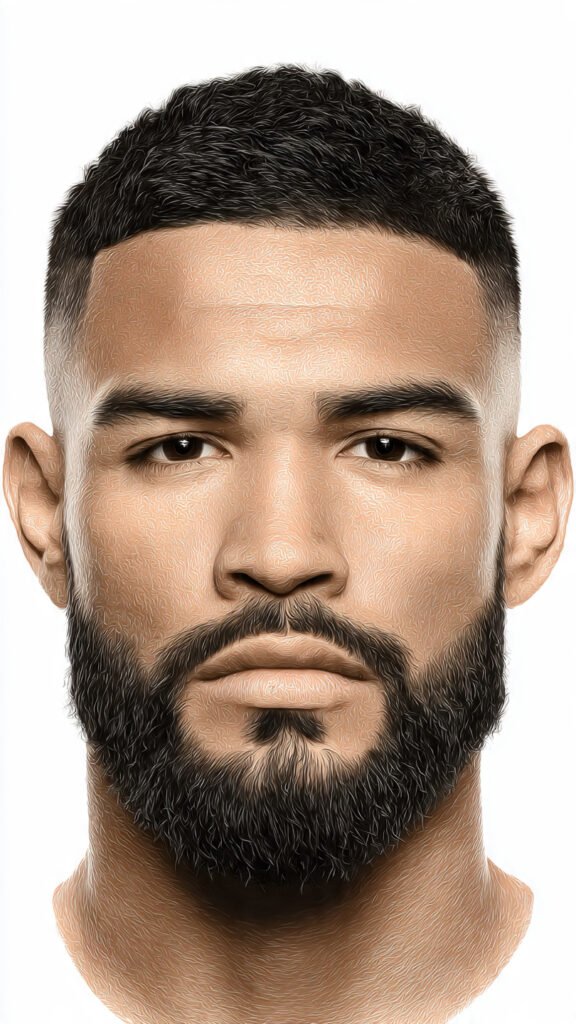
A short boxed beard is the most refined option for men who want structure without density. The beard is trimmed neatly around the jaws and chin, creating a square, masculine shape even if the coverage is light. The slightly lower cheek line intentionally avoids patchy areas while making the beard look fuller than it actually is.
To maintain it, use guards 3–6mm for the sides and keep the chin slightly longer. This look is perfect for professionals who want a clean yet stylish everyday beard.
6. Anchor Beard
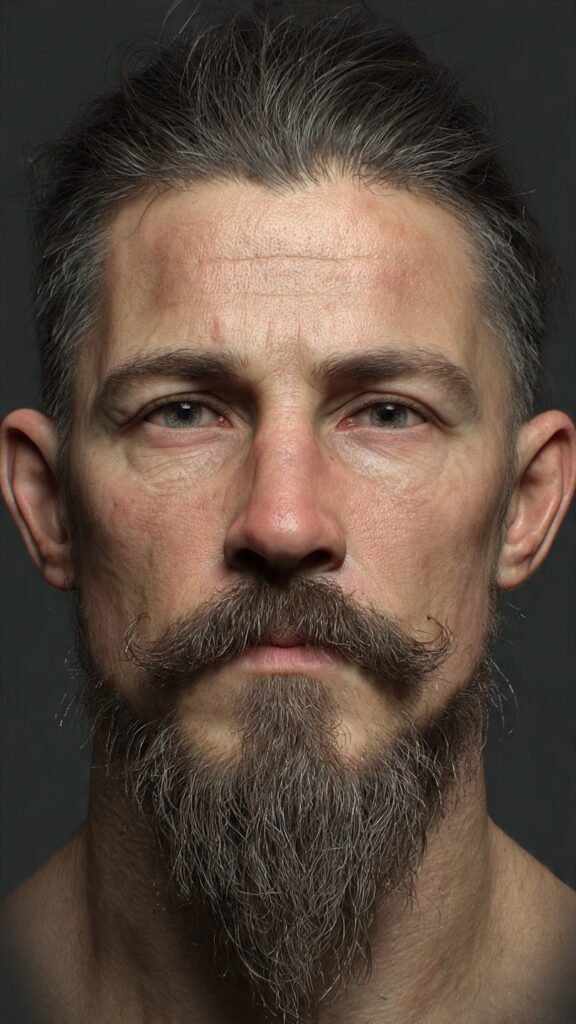
The anchor beard combines a pointed goatee with a well-defined mustache, forming a shape that resembles an anchor on the lower face. It’s incredibly effective for men with patchy cheek growth because it draws all attention downward, elongating the face and sharpening the jawline.
This style requires slightly more precision use a detail trimmer to define the edges and keep the chin point sharp. It pairs well with slim face shapes and fashion-forward outfits.
7. Balbo Beard
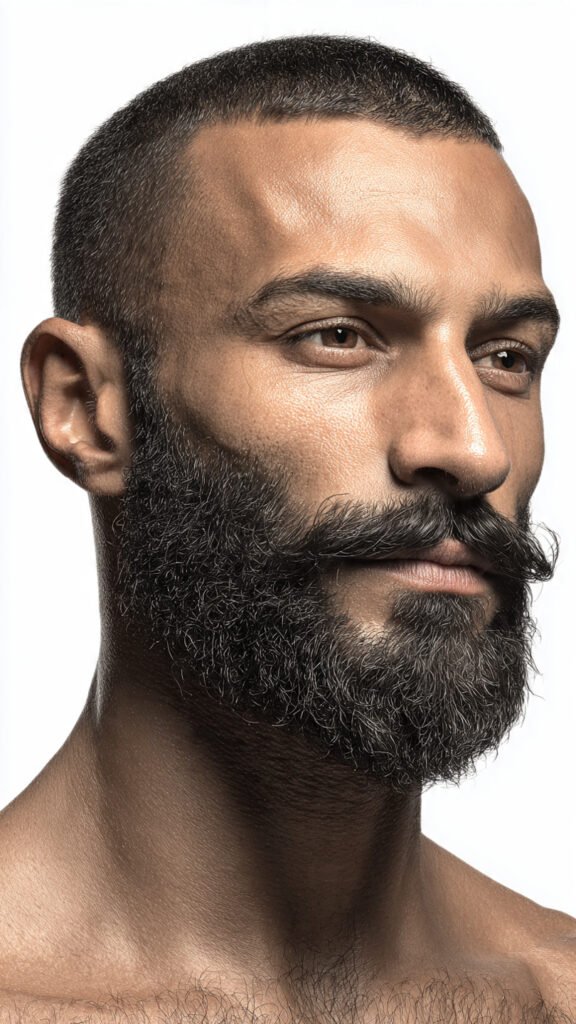
The Balbo beard is bold, stylish, and excellent for handling patchiness. It features a disconnected mustache and a sculpted lower beard around the chin, creating a layered, textured look that feels modern and intentional. The separation between the mustache and chin piece naturally hides uneven growth on the cheeks.
To maintain the Balbo, keep the mustache fuller and the chin area tapered into a point or rounded shape. This variation looks particularly sharp on square and masculine faces.
8. Scruffy Beard
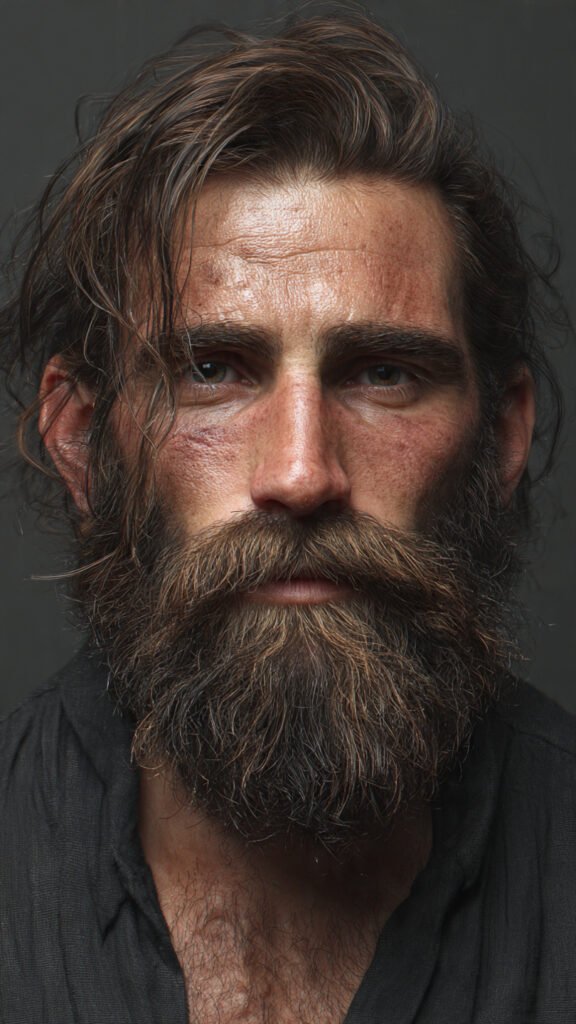
The scruffy beard embraces patchiness completely. Instead of trying to hide uneven spots, this style uses them to create a rugged, relaxed, effortlessly masculine look. At 6–10mm in length, the scruff adds texture and a slightly wild appeal without crossing into messy territory.
Maintain it by trimming every 7–10 days to keep length consistent and prevent overgrowth. A bit of beard oil or balm will help the scruffy texture look intentional rather than unkempt.
9. Thin Beard
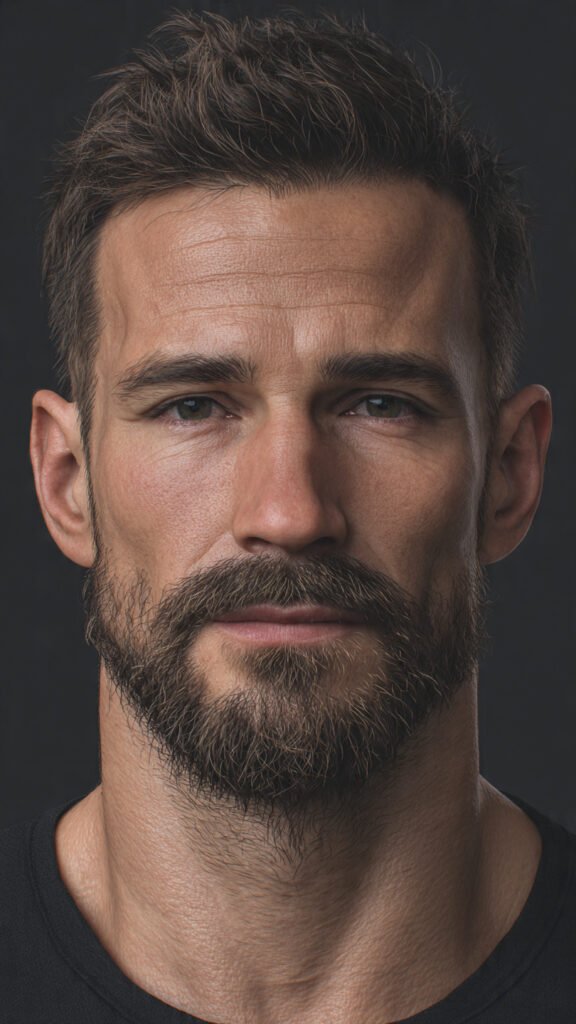
A thin beard follows your natural growth pattern but focuses on maintaining clean edges and strategic length to make the beard look intentional. The key here is precision trimming sharp lines around the jaw and neat cheek fading create the illusion of controlled design even if coverage is light.
This style works great for men with naturally narrow growth or finer hair. Keep it trimmed with a 2–3mm guard and touch up edges twice a week for best results.
10. Beardstache
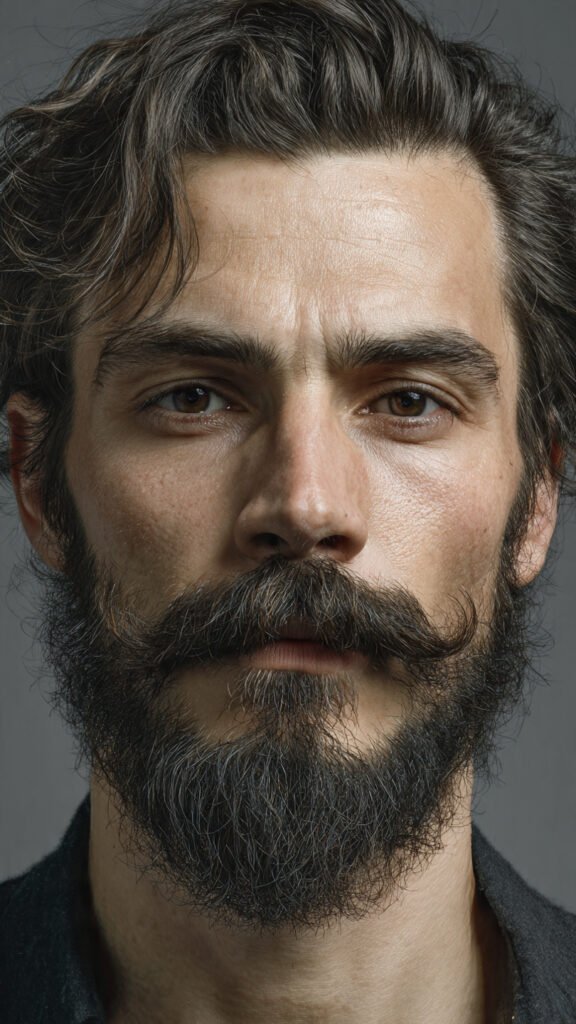
The beardstache is one of the most stylish patchy beard variations. It pairs a thick, well-groomed mustache with lightly patchy cheek and chin stubble. The contrast creates a bold, editorial look that’s trending in fashion, modeling, and celebrity grooming.
To keep it sharp, let the mustache grow to medium thickness while keeping the rest of the beard at 1–4mm. This allows the mustache to dominate the look while the lighter beard softens and balances the face.
11. Van Dyke Beard
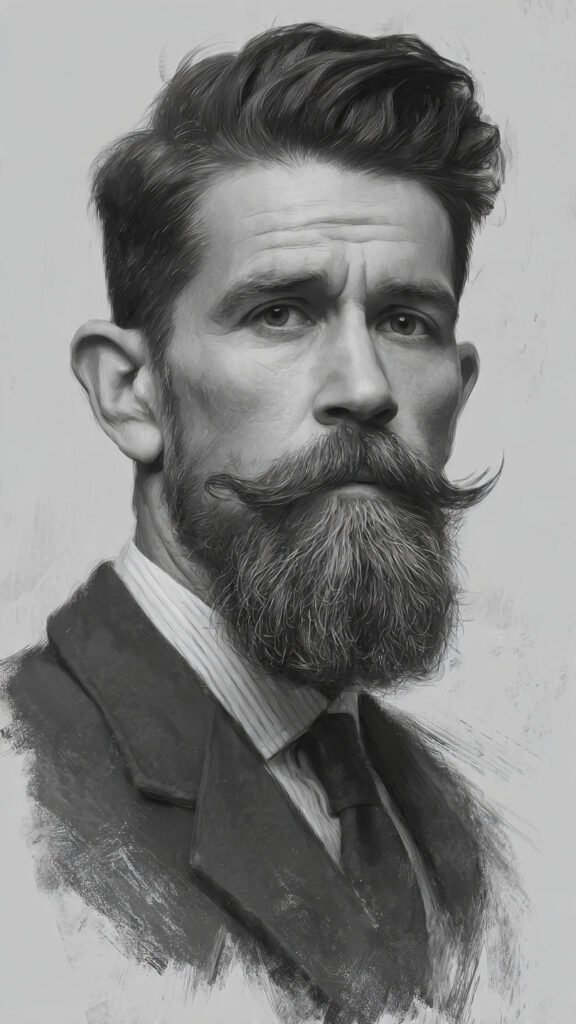
The Van Dyke is a timeless style that thrives on patchiness. Featuring a pointed goatee and a separated mustache, it eliminates the need for cheek growth entirely. The angular shape adds flair and sophistication, especially if your jawline is strong.
Keep the goatee point sharp and the mustache defined with scissors. This beard pairs well with artistic, vintage-inspired, or modern European aesthetics.
12. Patchy Cheeks + Strong Jawline
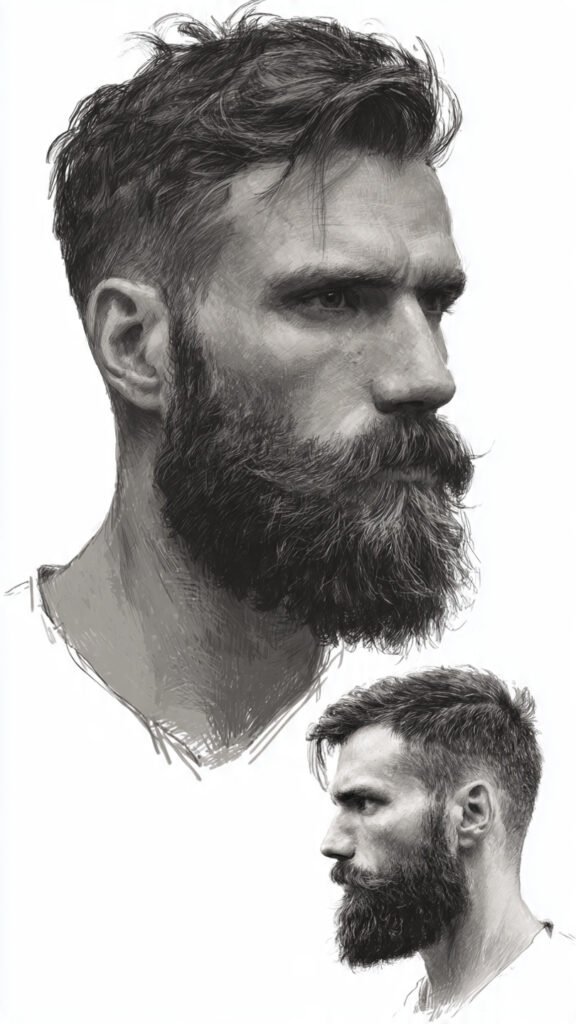
This variation focuses on embracing patchy cheek growth while enhancing the jawline. Keep the cheeks trimmed short around 1–2mm and allow more length along the jaw and chin. The combination creates a gradient that highlights your strongest facial feature: your jawline.
This look is effortless and masculine, ideal for men with naturally sharp bone structure. Trim the jawline every 5–7 days to maintain shape.
13. Short Fade-In Beard
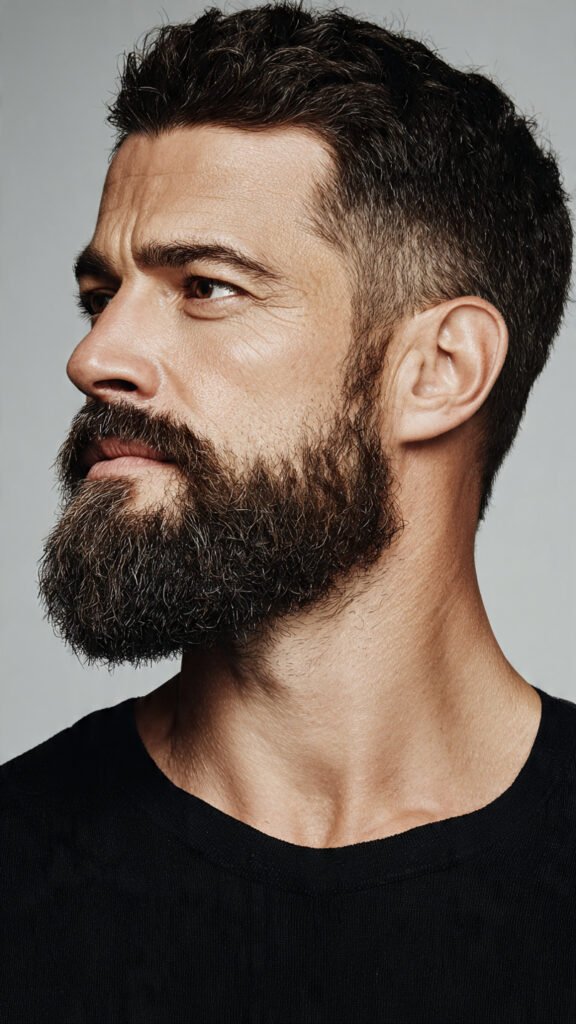
A fade-in beard uses barber-style fading to blend patchy areas seamlessly. The beard starts very short near the temples and gradually increases in length toward the chin, naturally disguising uneven growth. The fade adds depth, making the beard look fuller and more intentional.
This variation requires a trimmer with multiple guards and a steady hand, but once mastered, it’s one of the most stylish patchy beard solutions. Best suited for modern hairstyles and clean fashion looks.
14. Minimalist Mustache and Chin Shadow
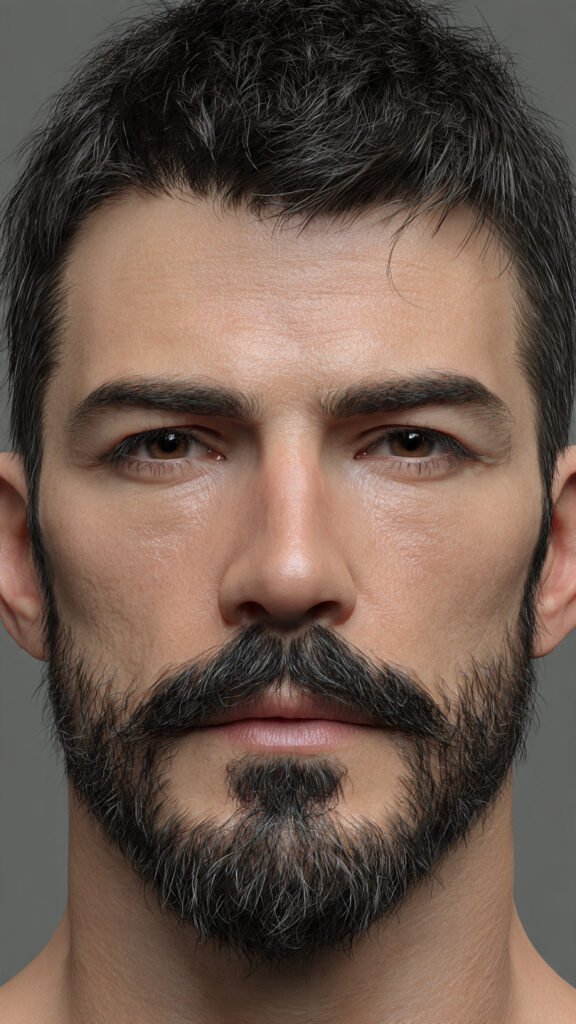
This ultra-clean style highlights a subtle mustache paired with a faint beard shadow on the chin and jaw. It’s perfect for men whose growth is light but consistent. The minimalist approach creates a clean, European-inspired aesthetic that looks elegant and modern.
Maintain by trimming the mustache lightly and letting the chin shadow sit at 0.5–1.5mm. It’s low maintenance and pairs well with sharp outfits, glasses, and structured hairstyles.
Hairstyle Pairings for Patchy Beard Styles
Patchy beard styles pair best with haircuts that create structure and balance. A fade or buzz cut sharpens your facial outline and makes patchy areas blend naturally into the haircut. Textured crops add movement on top, balancing lighter cheeks, while slick backs or side parts contrast the soft beard texture with clean, polished lines. Longer, medium waves also work well because they shift attention upward and complement the relaxed, rugged charm of a patchy beard.
Tattoo Aesthetics That Match Patchy Beards
Tattoos add depth and personality to patchy beard styles. Neck tattoos work especially well because they frame the beard and add visual structure. Jawline or side-face tattoos pair neatly with light cheek growth, creating a balanced look. Forearm and chest tattoos complement scruffy or stubble beards by reinforcing the masculine, modern vibe. Clean styles like geometric, blackwork, or minimalist linework look particularly sharp with lighter beard coverage.
Decor & Lifestyle Vibe for the Modern Bearded Man
Patchy beards fit naturally with modern, understated interiors. A minimalist studio with clean lines, matte finishes, and warm light matches the intentional simplicity of the beard. A bachelor-pad aesthetic—dark woods, metal accents, leather furniture—emphasizes masculine refinement. A small, organized grooming station with a quality mirror, beard tools, and simple décor elevates your daily routine and reinforces a confident lifestyle.
Expert Grooming Insights
Healthy skin makes patchy beards look sharper. Use beard oils with argan or jojoba, exfoliate once a week, and hydrate daily to support growth. Lightweight balms help add texture without weighing the beard down. Nutrition matters too—biotin, zinc, and omega-3s support stronger, more consistent facial hair.
Conclusion
Patchy Beard Styles prove that you don’t need dense growth to look sharp, masculine, and modern. With the right shaping, grooming routine, hairstyle, and fashion sense, patchiness becomes an intentional part of your personal style. Own your natural texture, refine it with confidence, and remember: your beard is your signature — wear it with intention.