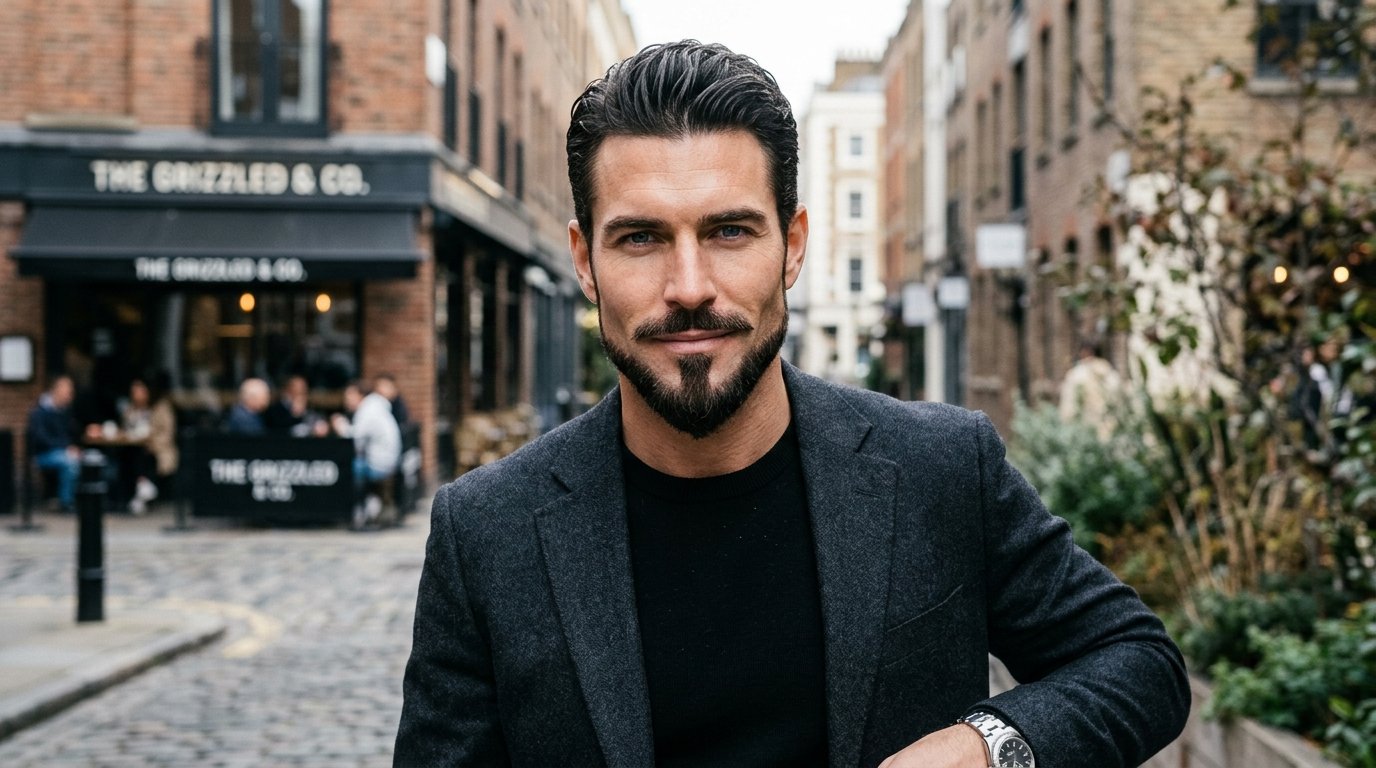
16 Mens Anchor Beard Style That Sharpens Every Feature
Most men don’t struggle with growing facial hair. They struggle with shaping it. A beard that sits too low on the neck, a mustache that overpowers the chin, or patchy growth left unstructured can distort your entire face. The mens anchor beard style fixes that by creating intentional contrast between the chin and jawline, tightening the lower face visually.
If you want more inspiration, explore our guide to Best Mens Stubble Beards every man should try.
This guide breaks down 16 precise variations of anchor beard styles, from tight 3mm outlines to fuller sculpted versions. Each one includes trimming specs, neckline placement, and who it works best for. The goal isn’t just inspiration. It’s to walk into a barber chair knowing exactly what to ask for—and how to maintain it after.
Mens Anchor Beard Style Variations
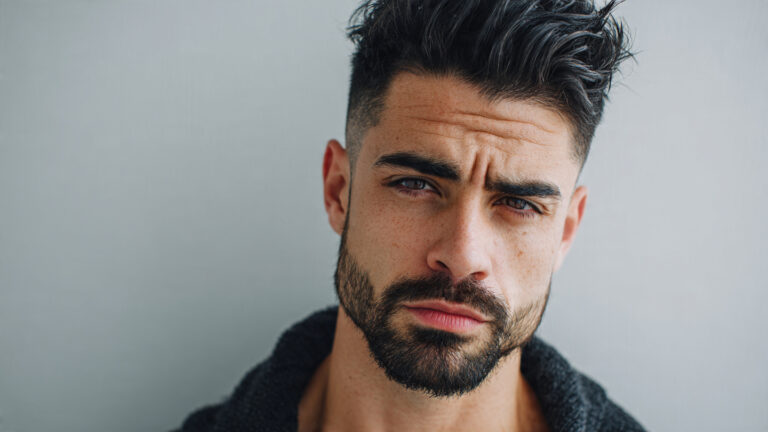
1. Ultra-Defined 2mm Anchor Beard With Razor-Cut Lines
At 2–3mm length (guard 1), this version keeps the chin strip narrow and sharply separated from the mustache. The cheek area is fully shaved, with a razor-defined high cheek line and a neckline set precisely one finger above the Adam’s apple. The finish reads minimal and highly controlled.

Maintain every 2–3 days with a precision trimmer and detail razor. Use a transparent shave gel for line accuracy. Best suited for oval faces and men in corporate or client-facing roles where sharp grooming signals discipline.
Best for: Oval face | Light-to-medium density | Corporate
2. Short 6mm Anchor Goatee With Soft Tapered Edges
Trimmed at guard 2 (6mm), the goatee is slightly wider, with softly tapered edges blending into clean-shaven cheeks. The mustache connects subtly, with corners trimmed just above lip level. The neckline remains defined but softened at the edges.

Touch up twice weekly using a guard 2 trimmer and scissors for mustache control. Apply a light beard oil to prevent dryness. Works well for round faces needing elongation without harsh lines.
Best for: Round face | Medium density | Casual
3. 10mm Extended Anchor Beard With Narrow Chin Focus
This medium-length (guard 3) anchor stretches vertically, creating a longer chin illusion. The cheek area is clean, but the fade begins just below the sideburn, tapering into skin. The neckline is sharp but slightly curved to avoid a boxed look.
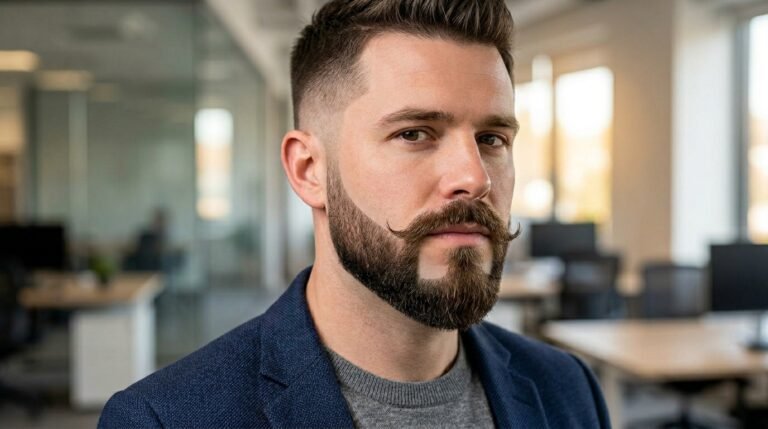
Trim weekly and define edges with a foil shaver for crispness. Ideal for square faces, as the vertical extension offsets width. Great for modern office environments.
Best for: Square face | Medium density | Smart-casual
4. 15mm Sculpted Anchor Beard With Angular Base
At 12–15mm, the beard forms a pointed, sculpted base under the chin. The mustache is fuller but trimmed at lip level. Cheek lines are low and straight, emphasizing structure. The neckline is faded gradually into skin.
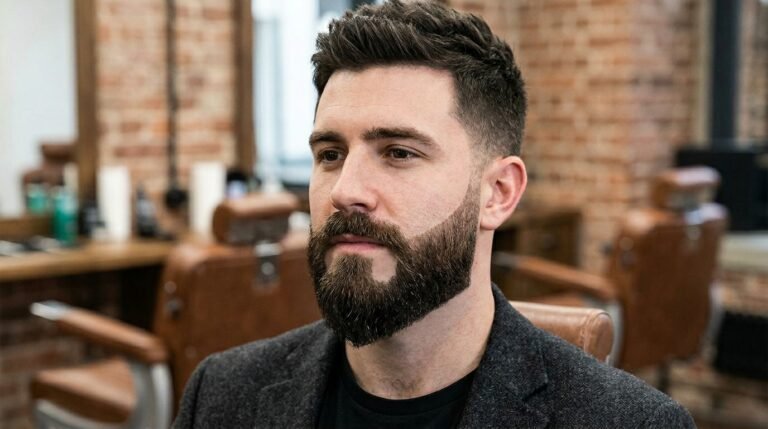
Use beard balm daily to hold shape. Trim every 7–10 days with scissors and a guard 4. Best suited for oblong faces needing angular definition.
Best for: Oblong face | Thick density | Editorial
5. Long 25mm Anchor Beard With Full Mustache Balance
At 25mm+, the anchor becomes more prominent, with a thicker chin section and a fuller mustache. The cheeks remain clean, but the transition near sideburns is softly blended. Neckline is natural but cleaned slightly.
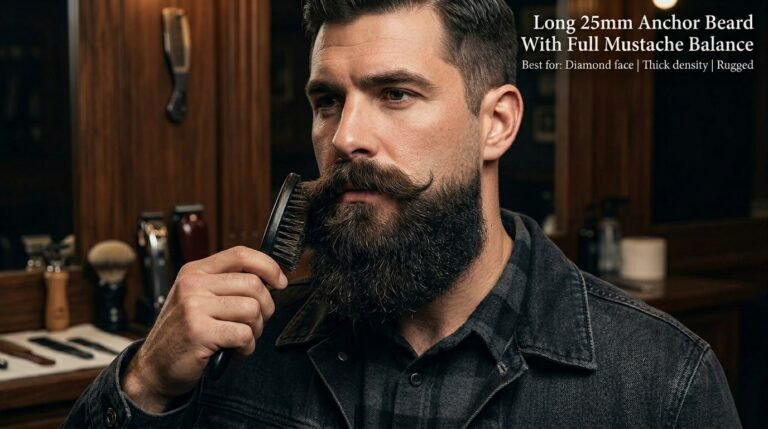
Requires weekly shaping and daily oiling. Use a boar bristle brush for direction. Ideal for diamond face shapes needing lower-face volume.
Best for: Diamond face | Thick density | Rugged
6. Skin-Faded Anchor Beard With Mid Fade Integration
This version integrates a mid fade haircut into the beard. The anchor sits at 5–7mm, while the fade starts at the temple and blends into the beard line. The neckline is sharp and slightly lifted.
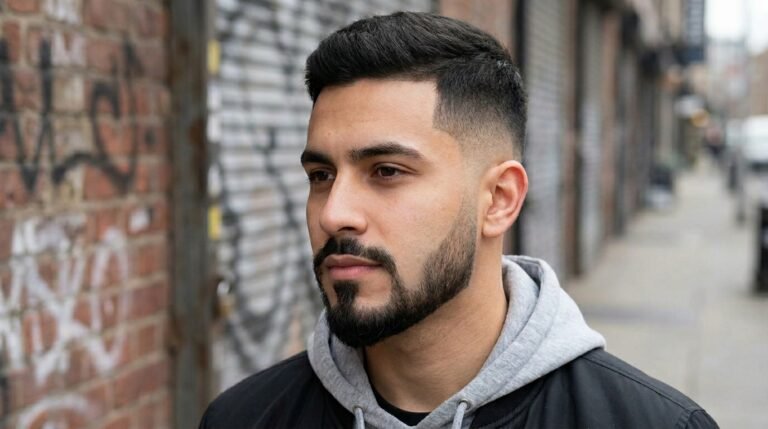
Maintain every 4–5 days to keep fade crisp. Use clippers with fading guards and a straight razor for lines. Works best for oval faces wanting modern contrast.
Best for: Oval face | Medium density | Street
7. Rounded Base Anchor Beard With Soft Cheek Curve
At 8–10mm, the chin area is rounded rather than pointed. The cheek line follows a natural curve, and the neckline is slightly lower but still controlled. The overall look softens facial edges.

Trim weekly and avoid over-sharpening lines. Use beard oil for flexibility. Best for square faces needing softer geometry.
Best for: Square face | Medium density | Mature
8. Narrow Chin Strap Anchor With Clean Separation
A hybrid of anchor and chin strap at 3–5mm, with a thin line connecting under the jaw. Cheeks are fully shaved, and the mustache is disconnected slightly for contrast. Neckline is tight and high.
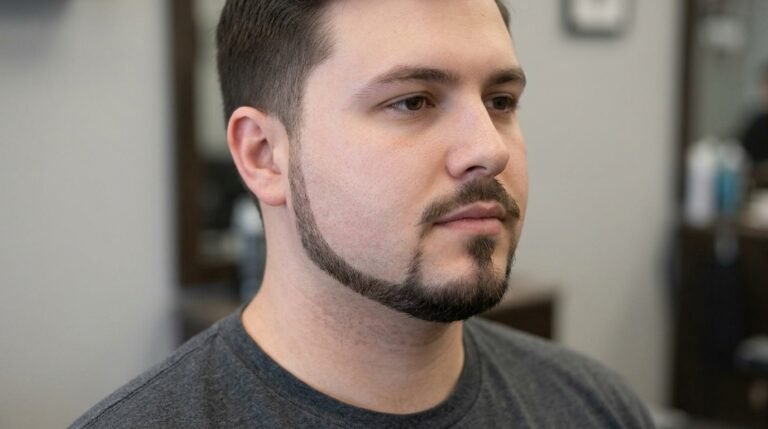
Maintain every 2–3 days with precision trimming. Ideal for round faces to create sharper definition.
Best for: Round face | Light density | Minimal
9. Tapered Anchor Beard With Low Fade Transition
This 10–12mm anchor gradually tapers into a low fade near the ears. The cheek line is medium height with a soft fade instead of a hard line. Neckline blends naturally.
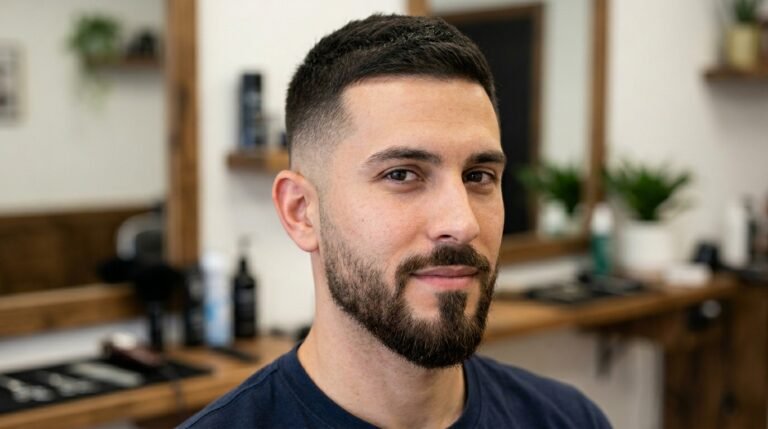
Trim weekly and blend using multiple guards. Use balm for shape. Works well for oblong faces needing balance.
Best for: Oblong face | Medium density | Casual
10. Sharp Boxed Anchor Beard With Defined Corners
At 7–9mm, this style uses squared edges on the chin area. The mustache is trimmed tight, and cheek lines are razor-sharp and high. Neckline is straight and clearly defined.
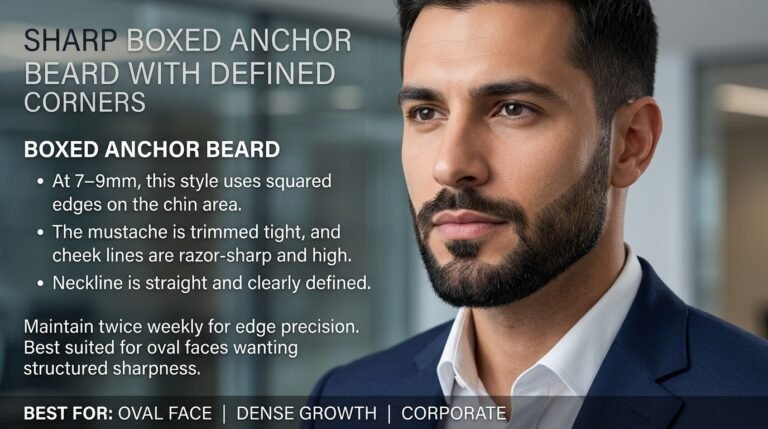
Maintain twice weekly for edge precision. Best suited for oval faces wanting structured sharpness.
Best for: Oval face | Dense growth | Corporate
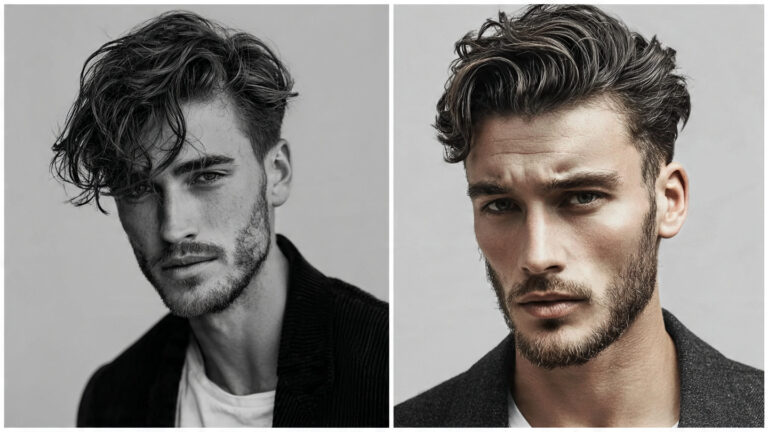
11. Textured Anchor Beard With Natural Growth Finish
At 12–14mm, the beard retains slight natural texture rather than a polished finish. Cheek lines are natural, and the neckline is lightly cleaned without hard definition.

Trim every 10 days and use beard oil for softness. Ideal for diamond faces seeking relaxed balance.
Best for: Diamond face | Thick density | Casual
12. Thin-Line Anchor Beard With Micro Precision Edges
At 1–2mm, this ultra-thin anchor relies on razor precision. The lines are extremely narrow, with a disconnected mustache. Neckline is high and sharply cut.
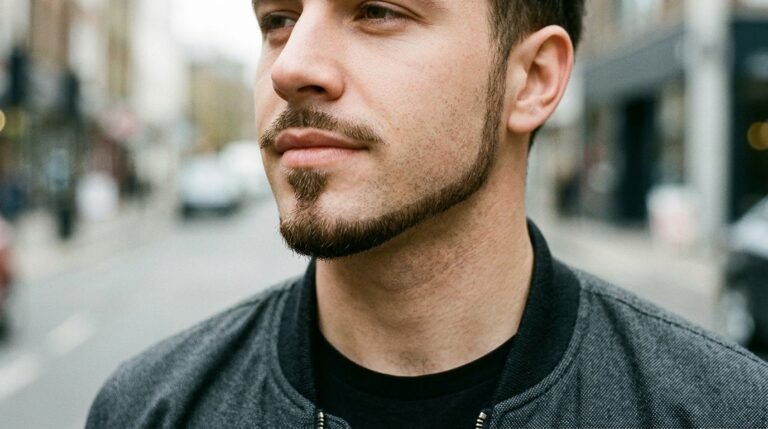
Daily maintenance required. Use a detail trimmer and straight razor. Best for round faces needing maximum structure.
Best for: Round face | Light density | Street
13. Full Goatee Anchor Blend With Mustache Emphasis
At 15–18mm, the goatee is fuller and blends seamlessly into a thicker mustache. Cheeks remain clean, but the neckline is slightly lowered for fullness.

Trim weekly and shape with scissors. Use balm for hold. Works well for square faces.
Best for: Square face | Thick density | Mature
14. Low Jawline Anchor Beard With Extended Chin Length
At 10–12mm, the beard sits lower on the jaw, extending the chin downward. Cheek lines are low and straight, creating a longer face illusion.

Maintain weekly and keep neckline controlled. Ideal for round faces wanting elongation.
Best for: Round face | Medium density | Professional
15. Clean Cut Anchor Beard With Polished Finish
At 5–6mm, this version is tightly controlled with crisp cheek lines and a perfectly aligned neckline. The mustache is trimmed neatly above the lip.

Trim every 3–4 days. Use beard oil sparingly for shine. Best for oval faces in formal environments.
Best for: Oval face | Medium density | Corporate
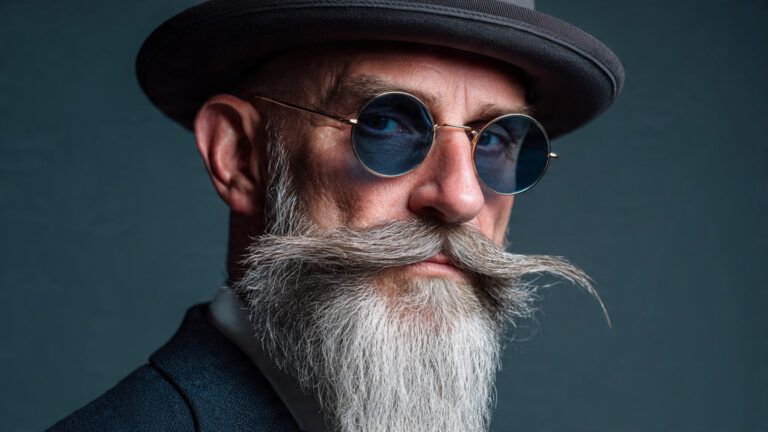
16. Sculpted Long Anchor Beard With Defined Point
At 20–25mm, the beard forms a sharp point below the chin, with a structured mustache. Cheeks are clean, and the neckline is slightly faded.
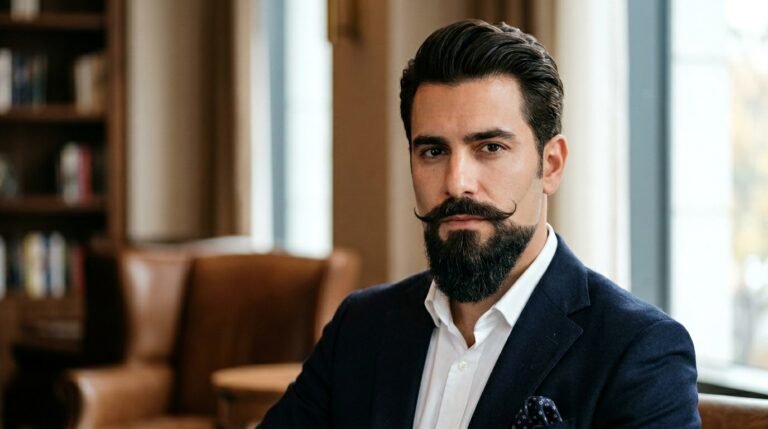
Requires weekly shaping and daily balm use. Best for oblong faces wanting bold definition.
Best for: Oblong face | Thick density | Editorial
How to Choose the Right Beard Style for Your Face Shape
Oval faces handle most variations well, but a short boxed anchor beard with defined cheek lines enhances symmetry without overcomplicating the structure.
Round faces benefit from extended anchor styles that lengthen the chin. Narrow goatees or low jawline anchors create vertical definition and reduce width.
Square faces should lean toward rounded anchor bases or softer cheek lines. This reduces harsh angles and balances the jaw.
Oblong faces need width, so avoid overly long anchors. A medium-length anchor with fuller sides works better than a narrow extension.
Diamond faces benefit from fuller chin areas and softer cheek transitions. A textured anchor beard adds balance to narrower jawlines.
Essential Beard Grooming Tips for a Sharp Look
Neckline placement is critical. Set it about one to two fingers above the Adam’s apple. Too low makes the beard look heavy, too high looks unnatural.
Stubble requires trimming every 2–3 days, short beards every 4–5 days, and medium lengths weekly. Longer styles need shaping every 7–10 days.
Beard oil hydrates the skin and softens hair, especially under 15mm. Beard balm adds hold and structure for longer anchor styles.
If you’re growing a beard, you may also want to explore Best Textured Crop Haircut that complement facial hair.
Use a razor for sharp cheek lines and a trimmer for softer, natural finishes. Decide based on whether you want contrast or subtlety.
Wash your beard 2–3 times weekly with a mild cleanser. Overwashing strips natural oils and leads to dryness and rough texture.
Beard Styles for Professional vs Casual Settings
Stubble reads relaxed but can look unfinished in strict corporate settings. It works better in creative or flexible workplaces.
A short boxed anchor beard at 5–7mm sits perfectly in professional environments. It’s structured without feeling rigid.
Medium natural anchor styles push the limit slightly. They work in modern offices but need clean edges to stay acceptable.
Long anchor beards fit industries like design, fitness, or outdoor professions. They rarely suit conservative corporate roles.
Faded anchor beards offer the best versatility. The clean fade keeps it sharp for work while still looking modern off-duty.
Conclusion
From ultra-thin precision lines to full sculpted anchors, the range of the mens anchor beard style covers every face shape, density, and lifestyle. The difference between a sharp look and an unbalanced one comes down to millimeters, angles, and how clean your lines are.
Start with the version closest to your current growth and refine from there. Focus on neckline placement first, then cheek lines. Consistency matters more than complexity. A well-maintained simple anchor beard will always look sharper than an elaborate style left untrimmed.